The Achilles Heel of Cultural Hegemony
Students of Color and the Reconstruction of CED
When The Background Enters The Institution
1
Students of Color and the Reconstruction of CED
Professor Reichek and the Social Factors faculty's reconstruction of architectural education created an opening, but transforming CED required more.
A different set of lived experiences had to enter the institution. As social factors re-emerged within the curriculum, CED increasingly confronted a contradiction within Modernism. The movement had promised a more rational and humane environment.
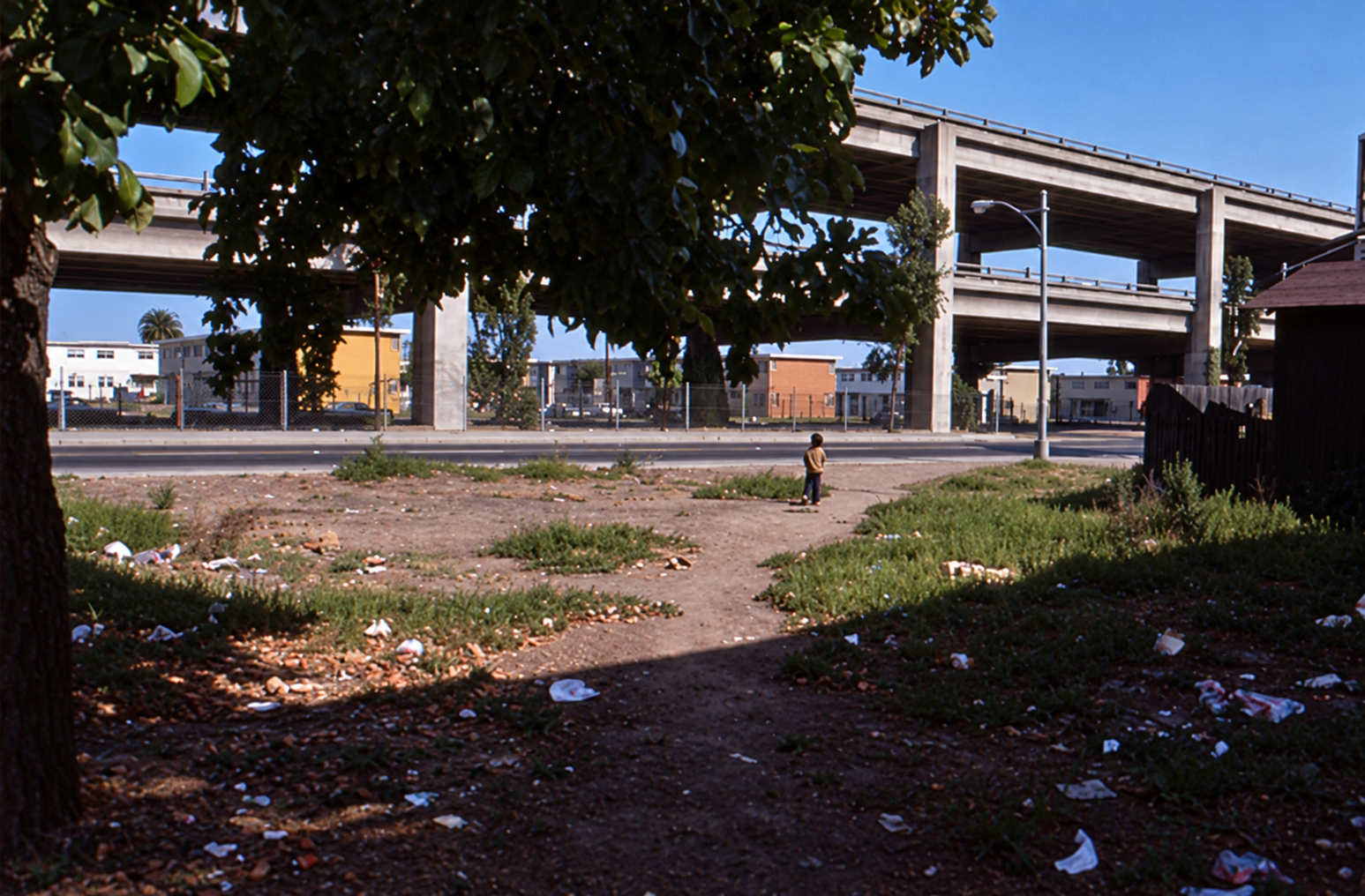
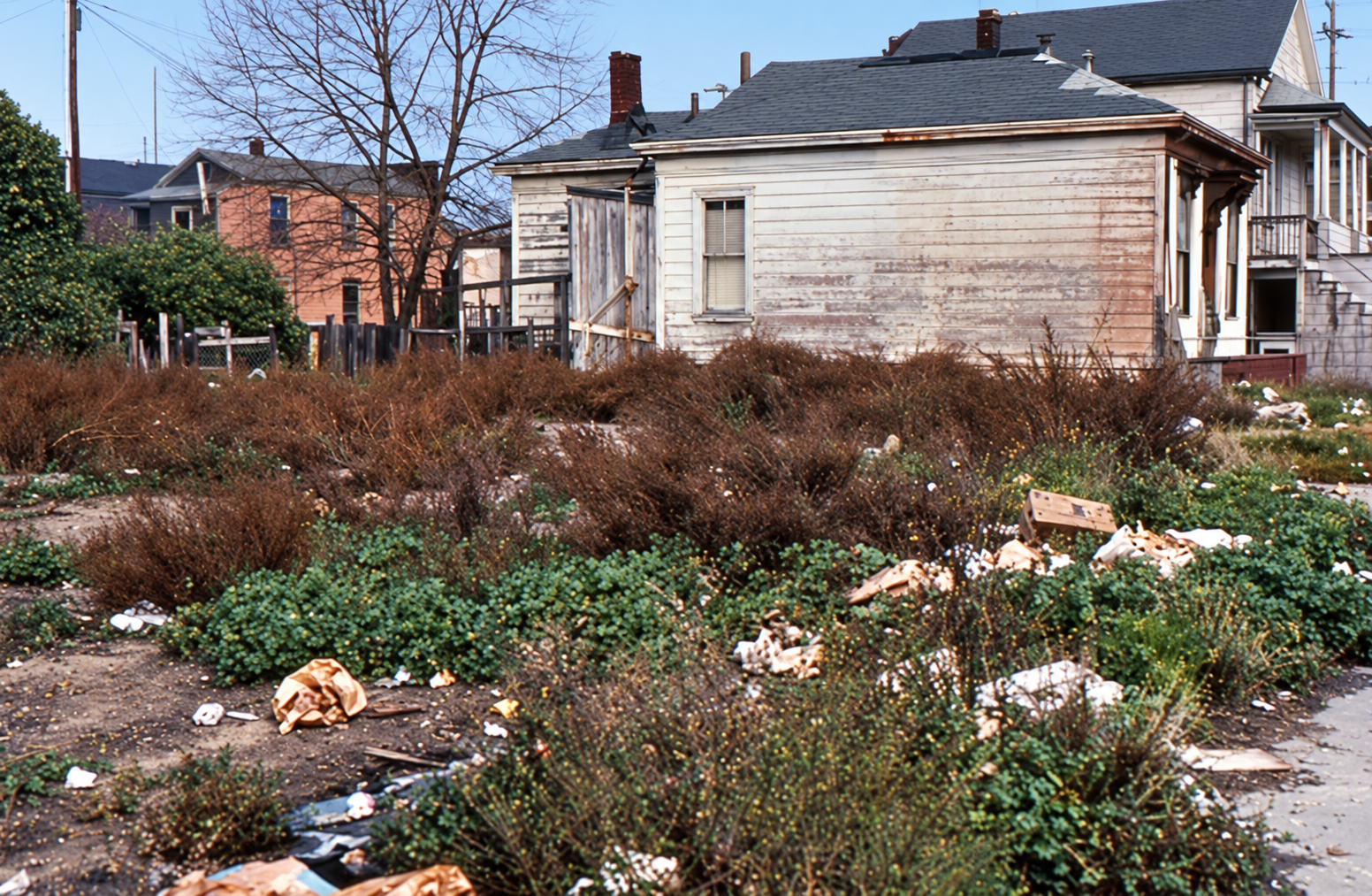
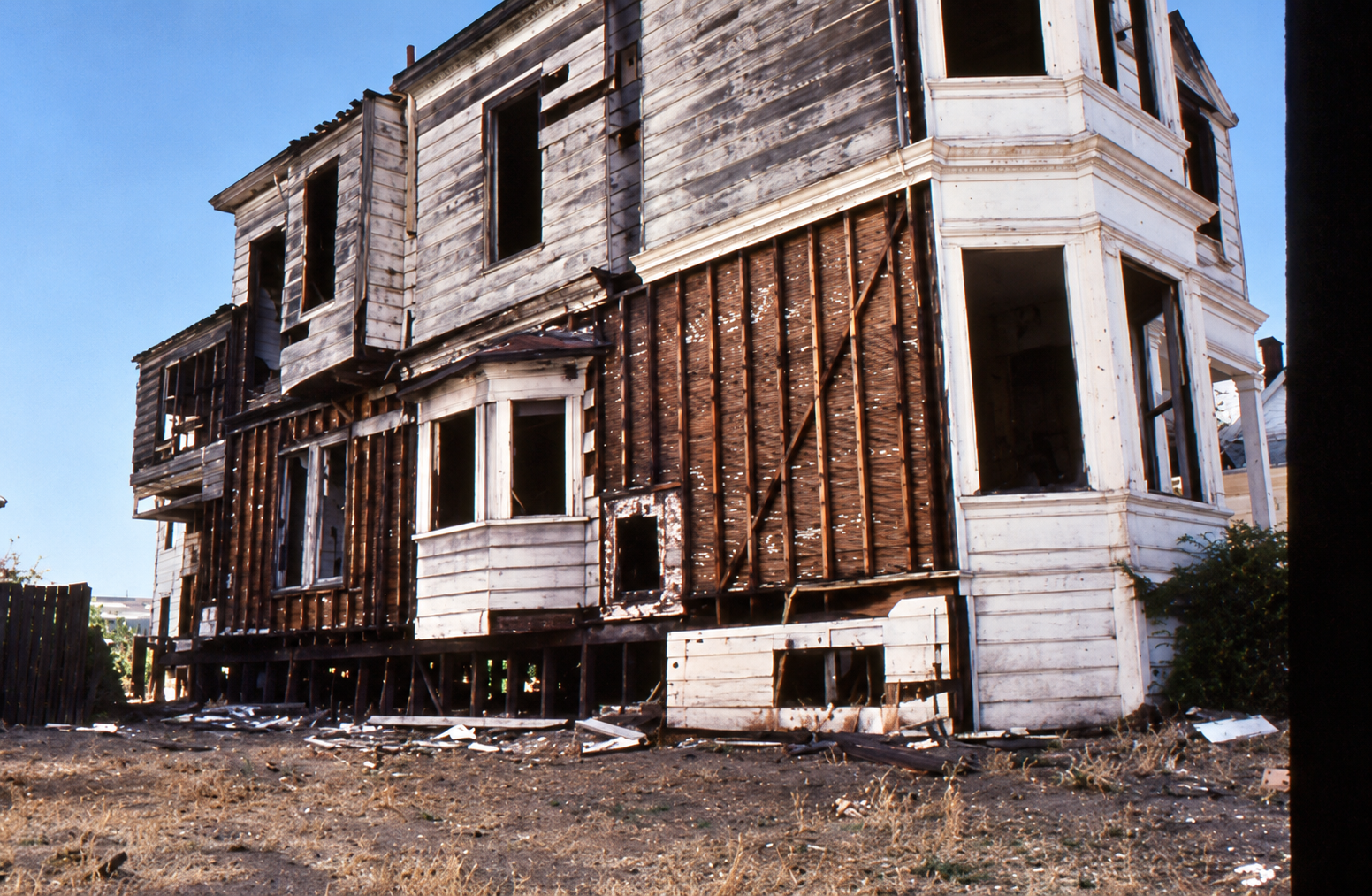
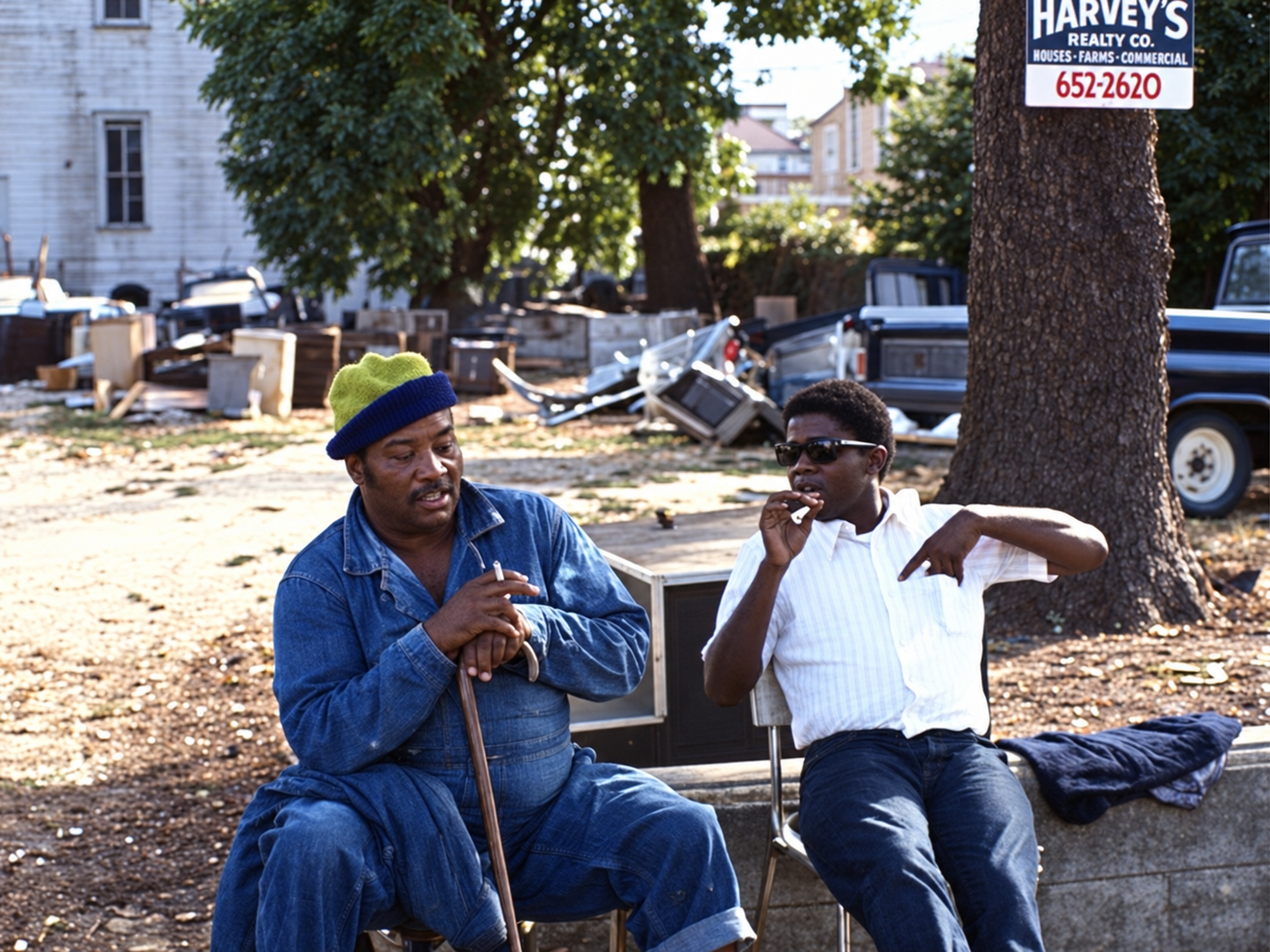
Yet, many working-class communities and communities of color experienced the unintended consequences of urban renewal, displacement, large-scale planning, and decisions made by professionals who often understood little about everyday life in the neighborhoods they were transforming.
These communities had frequently occupied the background of architectural decision-making.
The professional was figure.
The community was ground.
CED's emerging Social Factors curriculum began challenging that relationship.
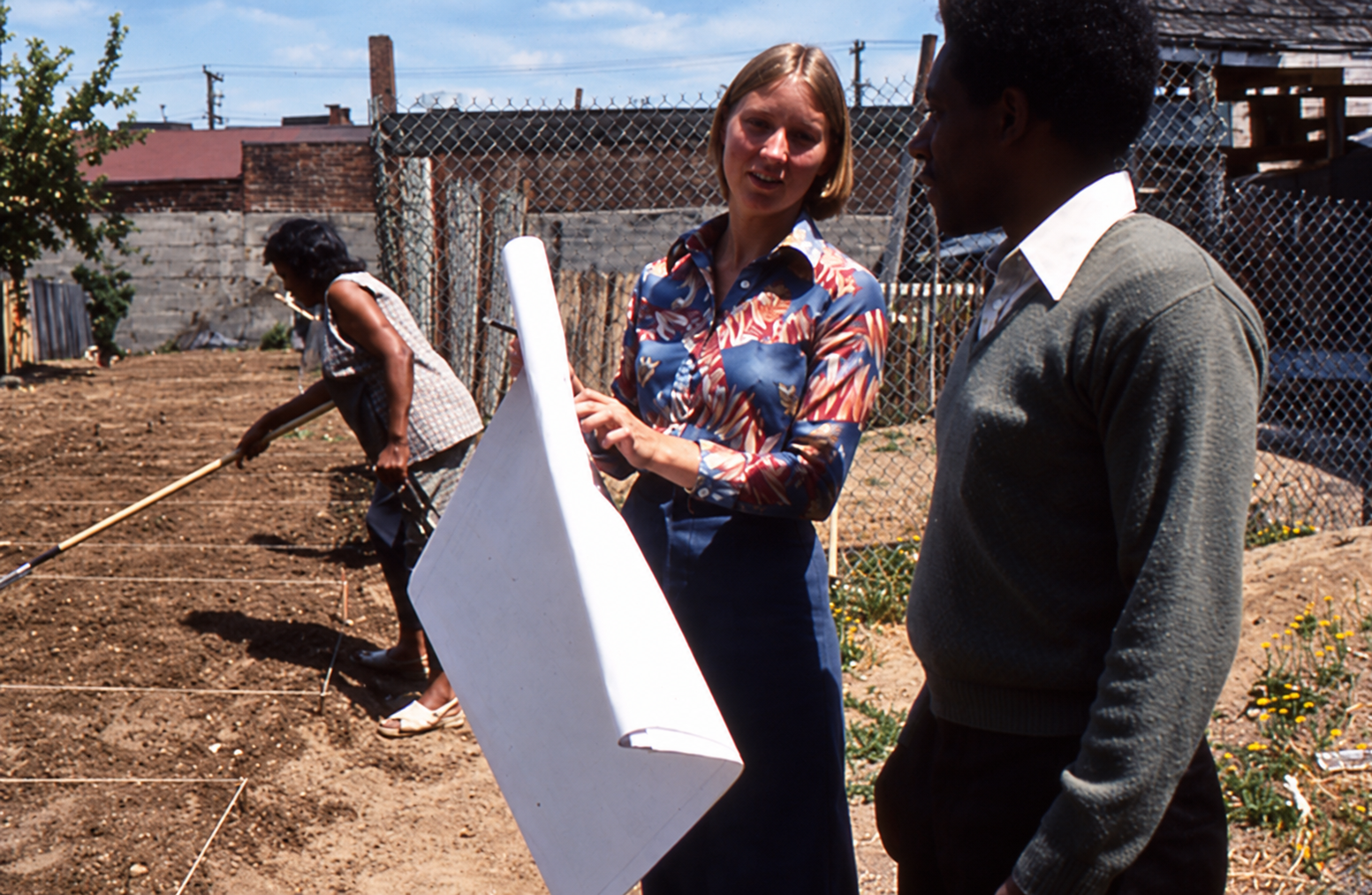
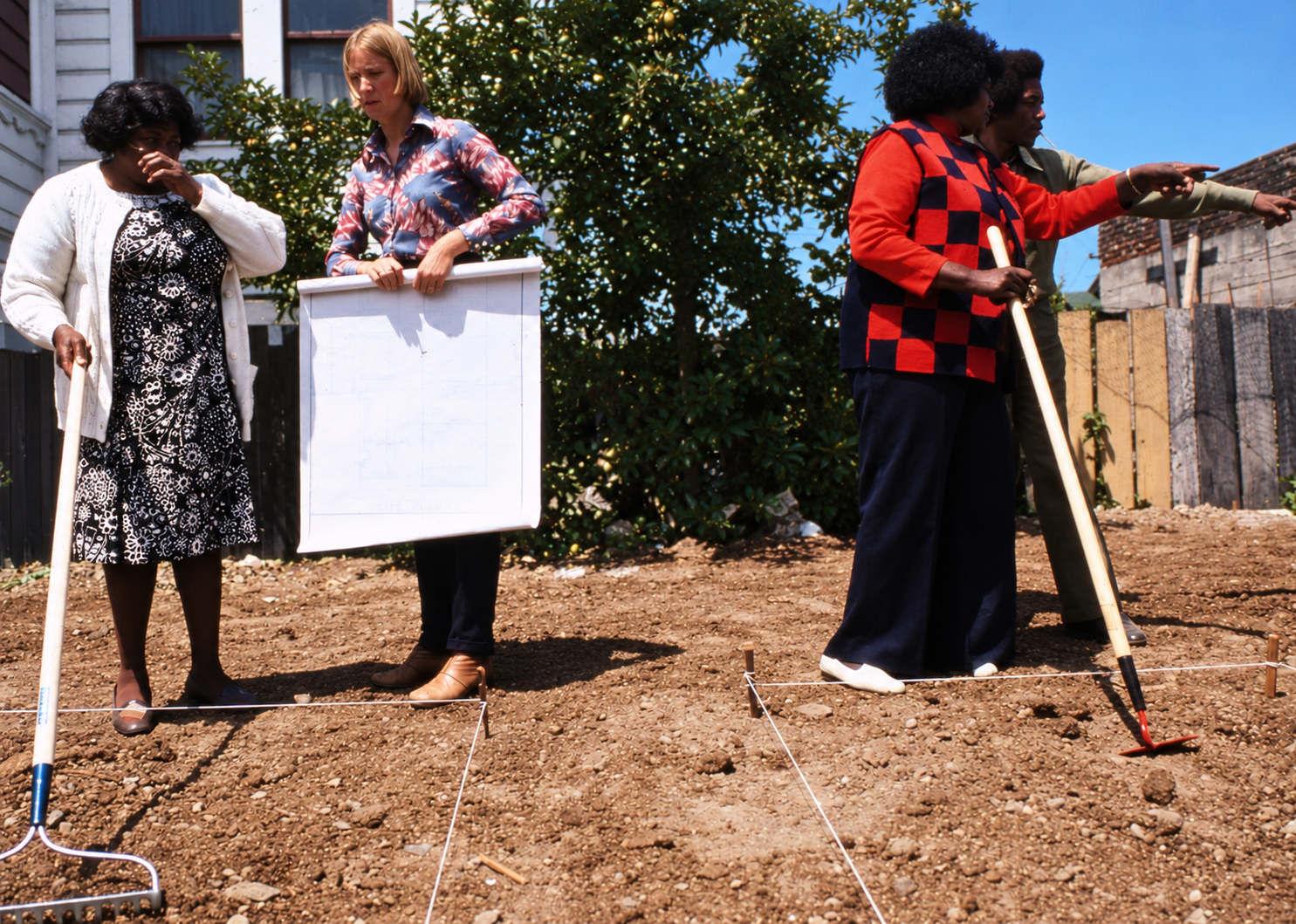
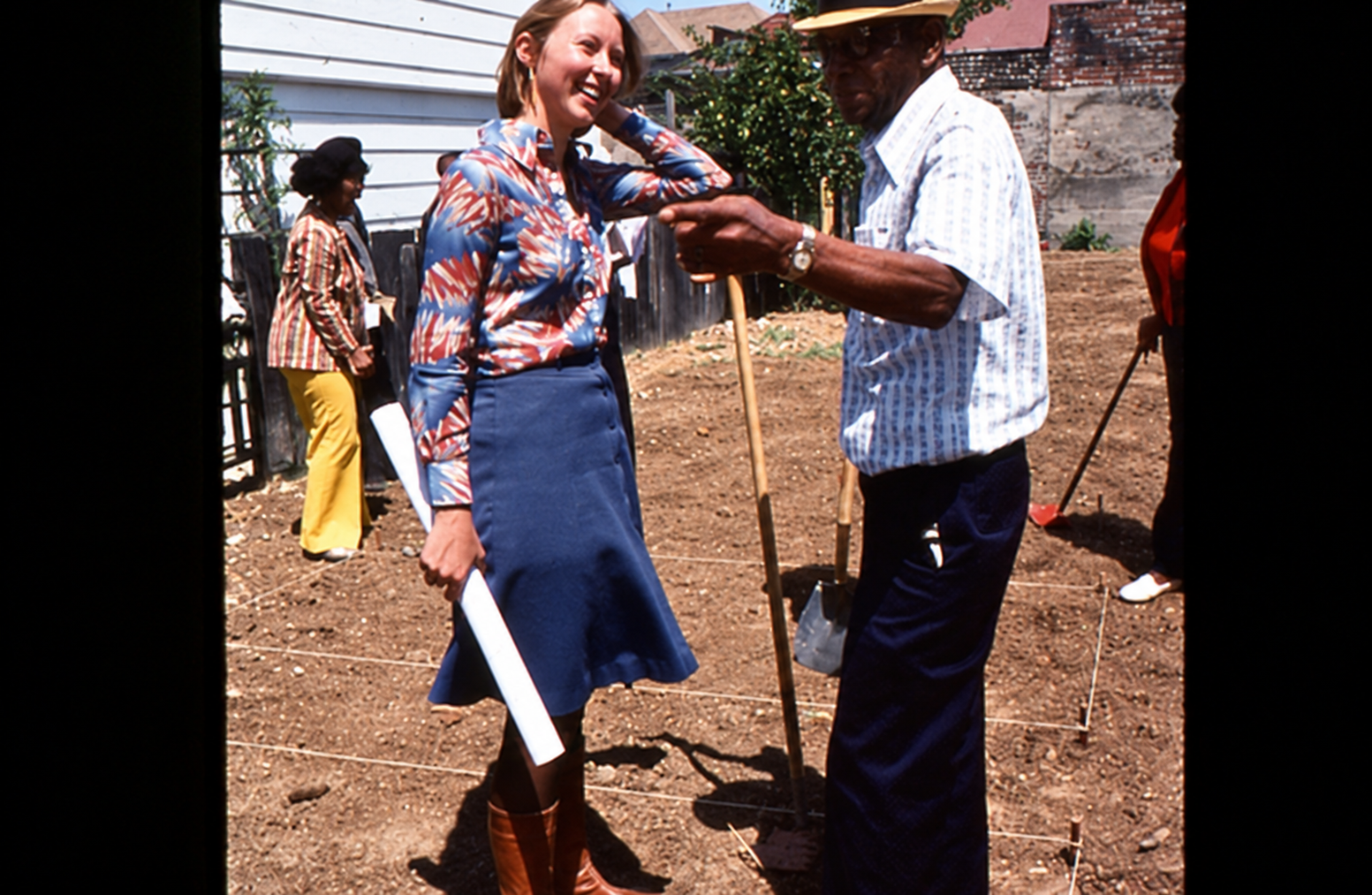
Students were encouraged to move beyond the studio, engage communities directly, listen to residents, and recognize that lived experience constituted another form of environmental knowledge.
But an even greater transformation became possible when students from those communities entered CED themselves.
They were not simply new students entering an unchanged institution.
Their presence changed what the institution could see.
They brought experiences, cultural knowledge, family histories, and perspectives that could expose assumptions invisible from within established professional culture.
The institution was no longer reaching outward to study the community.
The community was entering the institution.
THE GESTALT REVERSAL
This becomes a Gestalt transformation. What Modernism had placed in the background could move into the foreground.
USER → PARTICIPANT
PARTICIPANT → STUDENT
STUDENT → DESIGNER
DESIGNER → CRITIC
The person once understood primarily as the recipient of professional expertise could now participate in producing architectural knowledge.
This transformed the meaning of community participation.
DESIGNING FOR COMMUNITIES
↓
DESIGNING WITH COMMUNITIES
↓
COMMUNITIES BECOMING DESIGNERS
Professional expertise remained important, but it was no longer sufficient.
A designer could understand structure, form, construction, aesthetics, and planning while knowing remarkably little about how people actually experienced an environment.
Lived experience therefore became another form of expertise.
Sometimes the most important architectural criticism could be remarkably simple:
"This doesn't work for us."
That statement exposed assumptions hidden beneath drawings, theories, statistics, and professional intentions.