This introduces an important complication into cultural hegemony.
Earlier in Exodus, the institution appears primarily as a mechanism through which ideas become normalized.
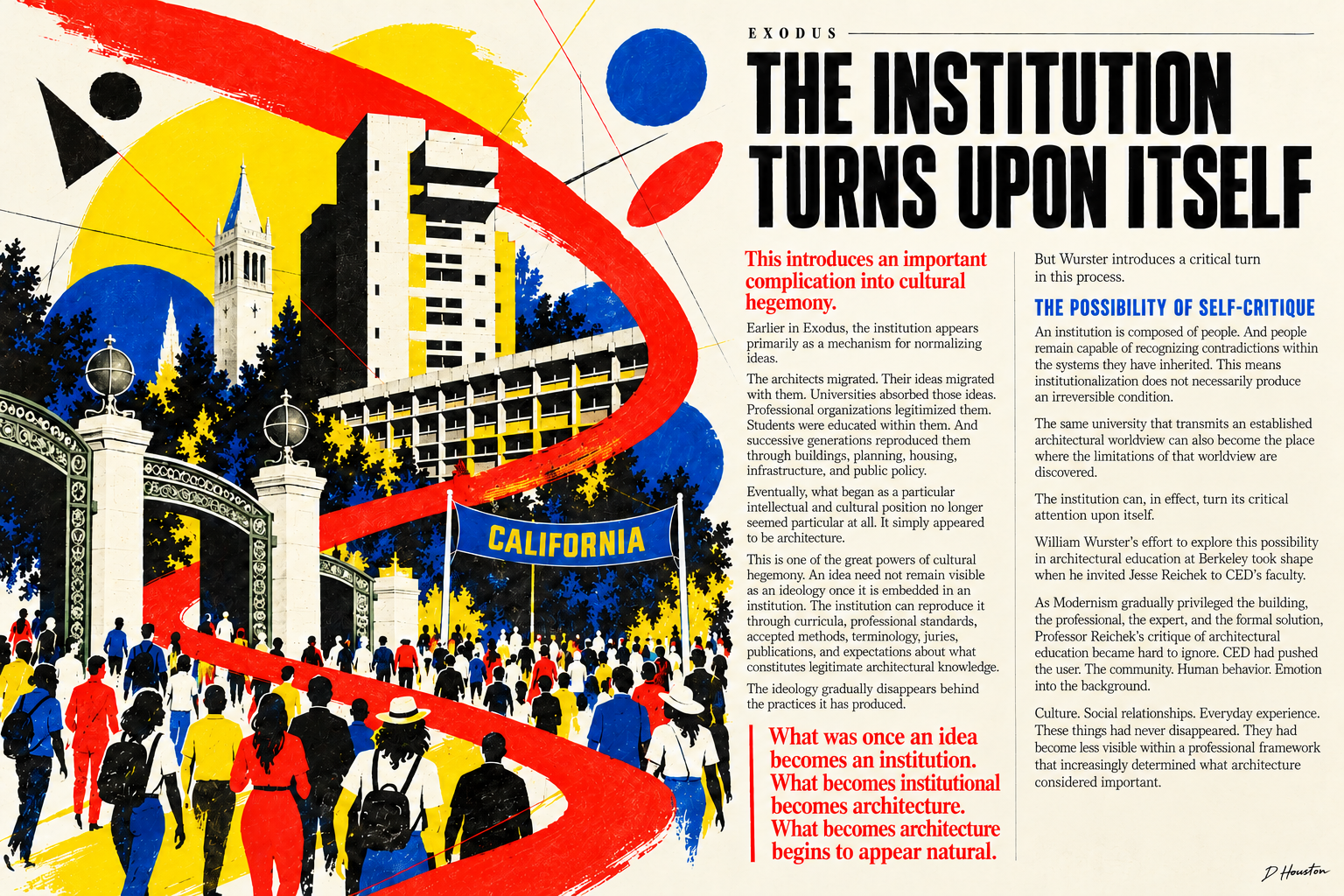
The architects migrated. Their ideas migrated with them. Universities absorbed those ideas. Professional organizations legitimized them. Students were educated within them. And successive generations reproduced them through buildings, planning, housing, infrastructure, and public policy.
Eventually, what began as a particular intellectual and cultural position no longer seemed particular at all. It simply appeared to be architecture.
This is one of the great powers of cultural hegemony. An idea need not remain visible as an ideology once it is embedded in an institution. The institution can reproduce it through curricula, professional standards, accepted methods, terminology, juries, publications, and expectations about what constitutes legitimate architectural knowledge.
The ideology gradually disappears behind the practices it has produced.
What was once an idea becomes an institution. What becomes institutional becomes architecture. What becomes architecture begins to appear natural.
But William Wurster introduces a critical turn in this process.
THE POSSIBILITY OF SELF-CRITIQUE
An institution is composed of people. And people remain capable of recognizing contradictions within the systems they have inherited. This means institutionalization does not necessarily produce an irreversible condition.
The same university that transmits an established architectural worldview can also become the place where the limitations of that worldview are discovered.
The institution can, in effect, turn its critical attention upon itself.
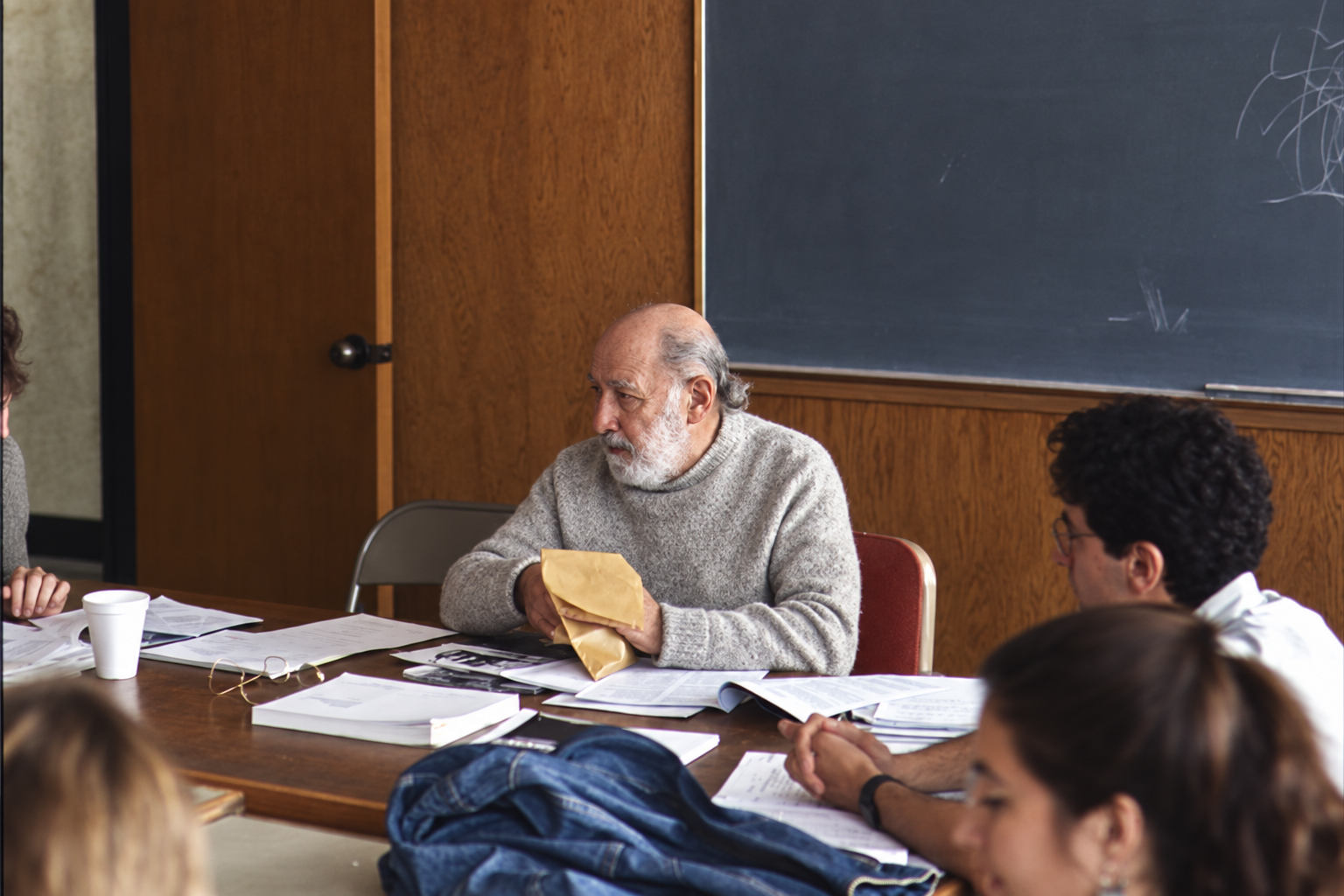
William Wurster's effort to explore this possibility in architectural education at Berkeley took shape when he invited Jesse Reichek to CED’s faculty.
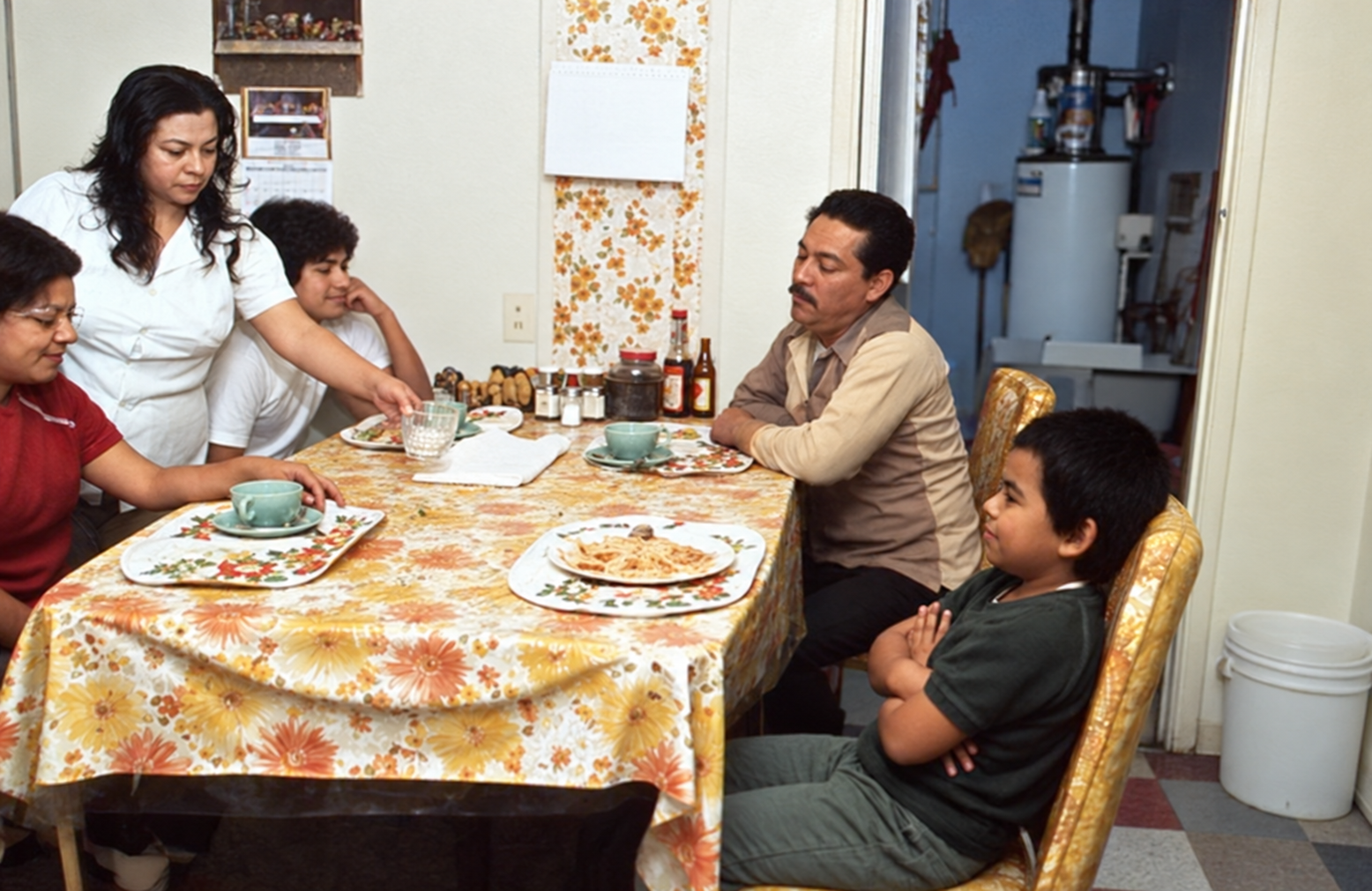
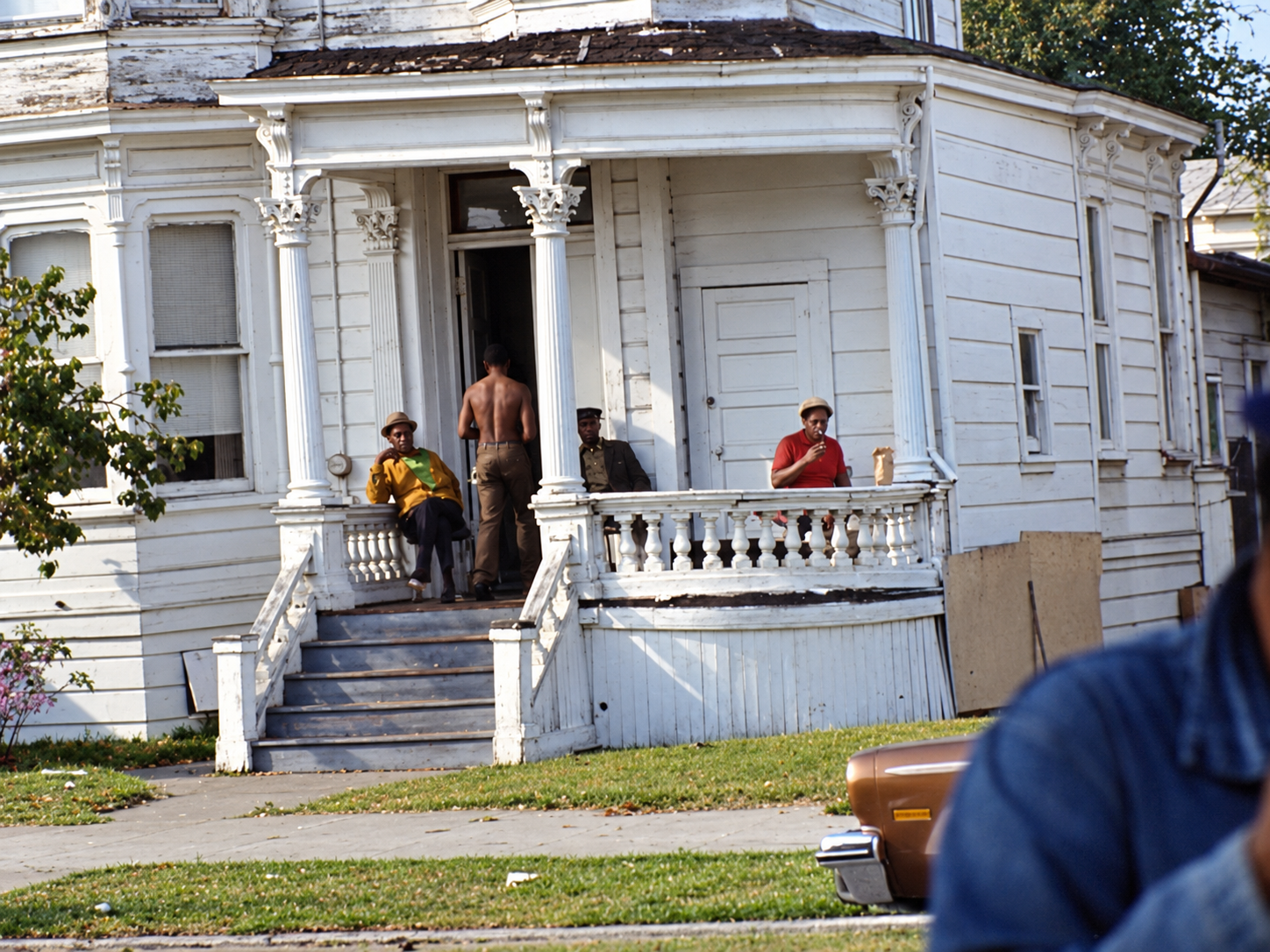
As Modernism gradually privileged the building, the professional, the expert, and the formal solution, Professor Reichek's critique of architectural education became hard to ignore. CED had pushed the user. The community. Human behavior, emotion into the background.
The user.
Culture. Social relationships. Everyday experience. These things had never disappeared. They had become less visible within a professional framework that increasingly determined what architecture considered important.