Catalan architects such as Torroja, Candela, and Calatrava drew inspiration from Gaudí’s fascination with the catenary arch, pushing the boundaries of architectural form and structure. Meanwhile, Italian architect Paolo Soleri emerged as a pivotal figure, weaving these influences into his own visionary approach.
Soleri’s deep admiration for Gaudí is evident in his Solimene ceramic factory — often called the Palace of Ceramics — where he embraced ornamentation and monumentality. In contrast to the Catalan architects’ structural minimalism, Soleri favored expressive grandeur, turning each project into a statement of artistic ambition.
Soleri placed great value on the apse, frequently integrating and reinventing its form throughout his projects as his architectural philosophy evolved.
Both the Catalan architects and Soleri recognized the importance of the arch’s unique structure, yet each interpreted Gaudí’s legacy through their distinct cultural and stylistic lenses.
The leaning columns in Parc Güell and other Gaudí masterpieces echo the structural forces of the catenary arch, translating engineering principles into impressionistic, dreamlike forms that blur the boundary between nature and imagination.
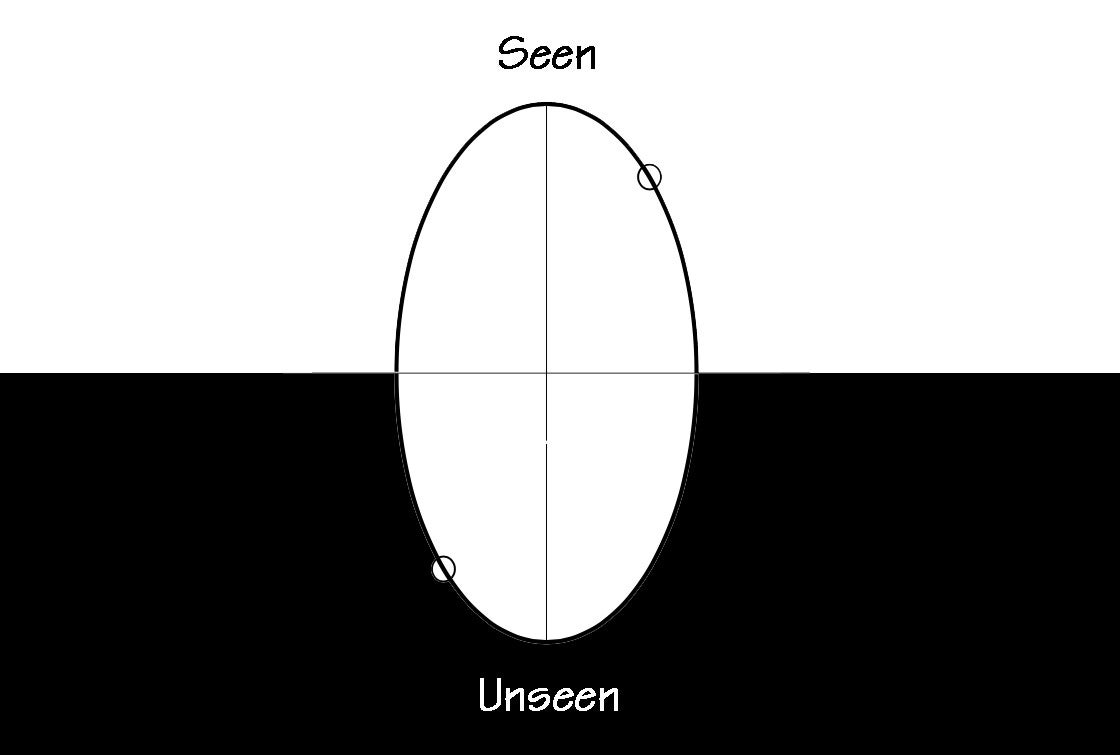
Observers who perceive only tree-like shapes in the Solimene factory’s columns often overlook the deeper resonance of these columns with kilns, pottery traditions, and African influences, which are subtly woven into the design. But more importantly, it strips the arch of its principal tenet, as above, so below, which is how the egg shell image is created.
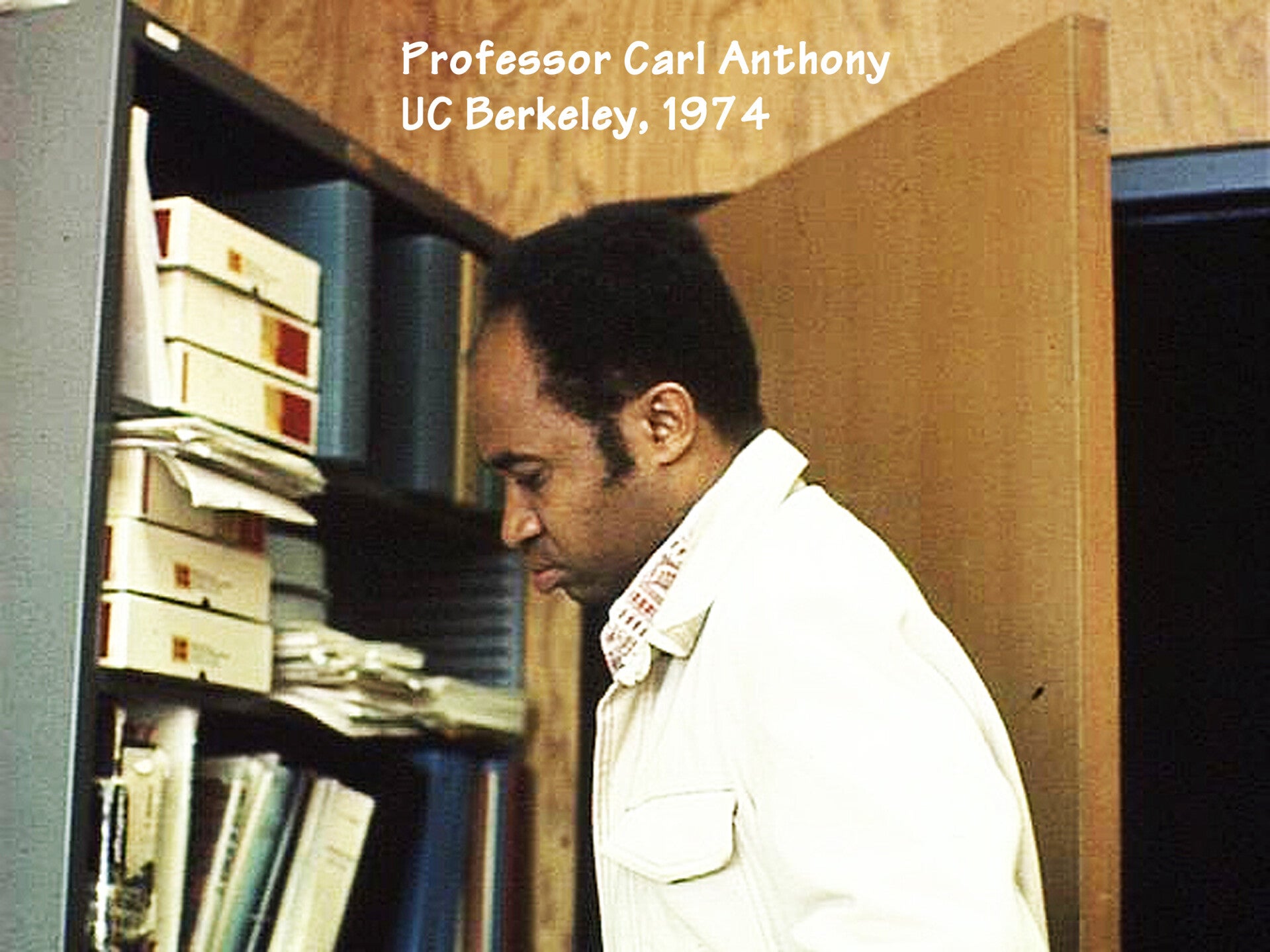
Back in Professor Anthony’s 1974 architecture class, none of us understood the complex Dogon ideas he shared. It took me another fifty years to figure out what the cosmic egg meant.
Considered in its entirety, the arch’s structure conjures the image of a cosmic egg — an ancient symbol of the earth’s generative potential. This motif appears in the African Dogon settlement, where villages are designed to resemble a person shaped like an egg, the Village in the Image of a Cosmic Person. Soleri’s 1970s exhibition, City in the Image of Man, taps into these symbolic and social ideals, forging a connection with the age-old meanings embodied by the Nubian arch. Further exploration of this theme will follow.