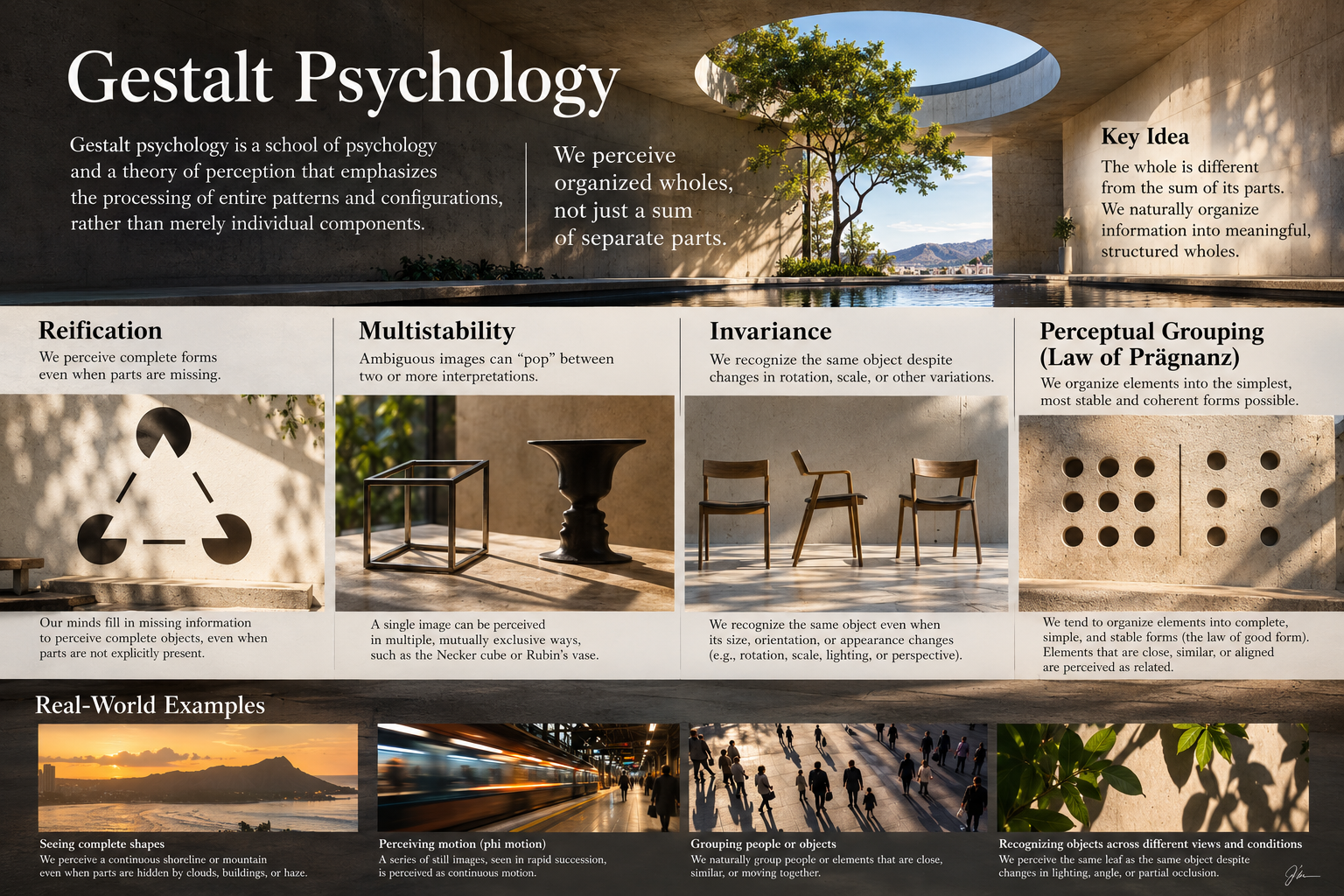
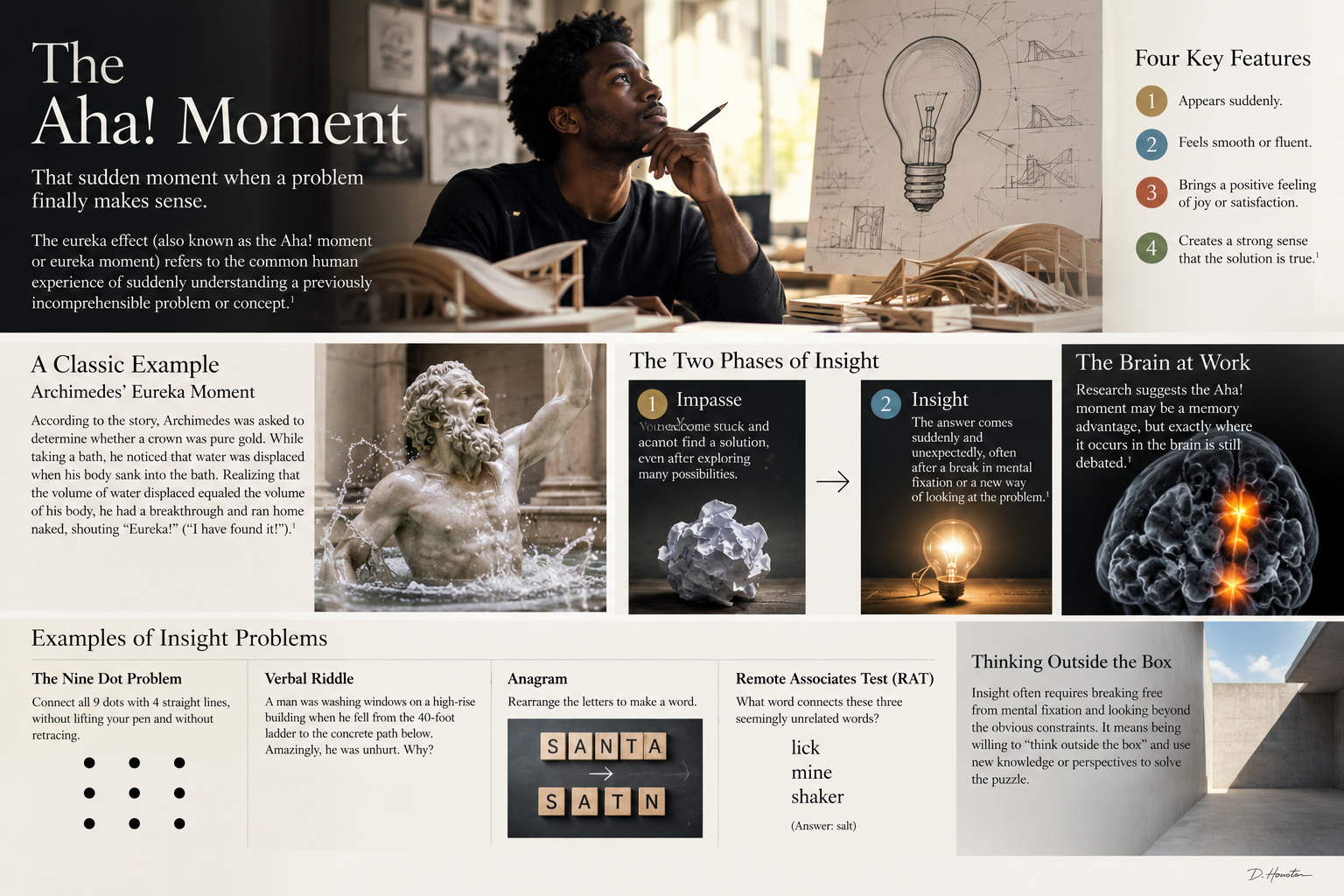
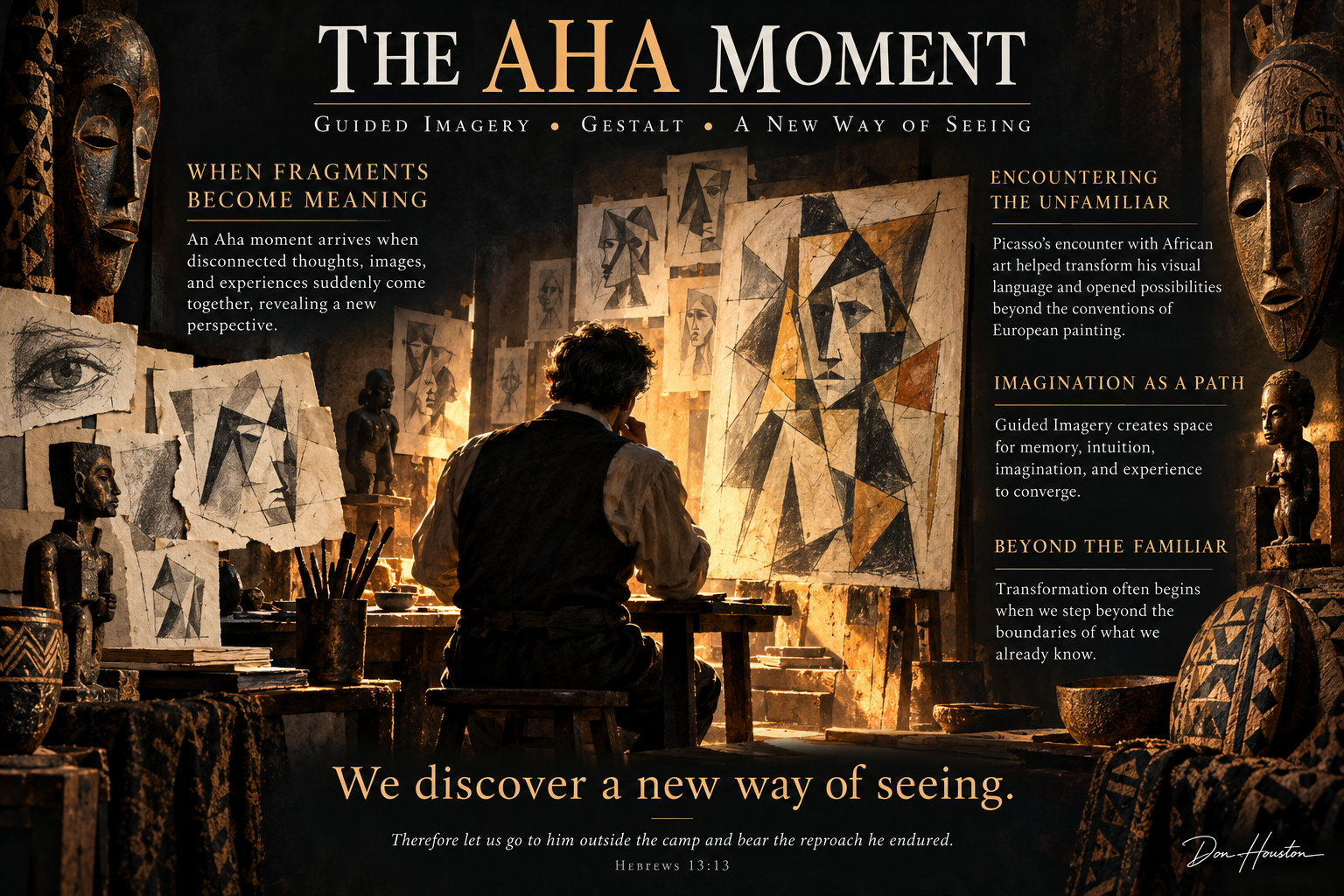
The transformative energy that deepens Guided Imagery throughout this site is rooted in Gestalt principles and the power of the Aha moment — that sudden flash of insight when previously disconnected thoughts, images, and experiences come together to reveal a new way of seeing.
In the early twentieth century, Pablo Picasso experienced such a transformation. Searching for a way beyond the conventions of European art, he encountered African masks and sculptures whose forms profoundly affected his developing artistic language. He later described African objects as possessing a purpose beyond conventional ideas of beauty: they became, for him, instruments of confrontation, transformation, and liberation.
Through this encounter with African art, Picasso discovered possibilities that helped free his imagination from the constraints of Western artistic tradition. By confronting something outside the artistic world he had inherited, he found new dimensions within himself.
This was his Aha moment.
The moment propelled Picasso into his renowned African period — a brief yet electrifying chapter that sparked a profound fascination with African art, masks, and sculpture, fueling his imagination for years afterward.
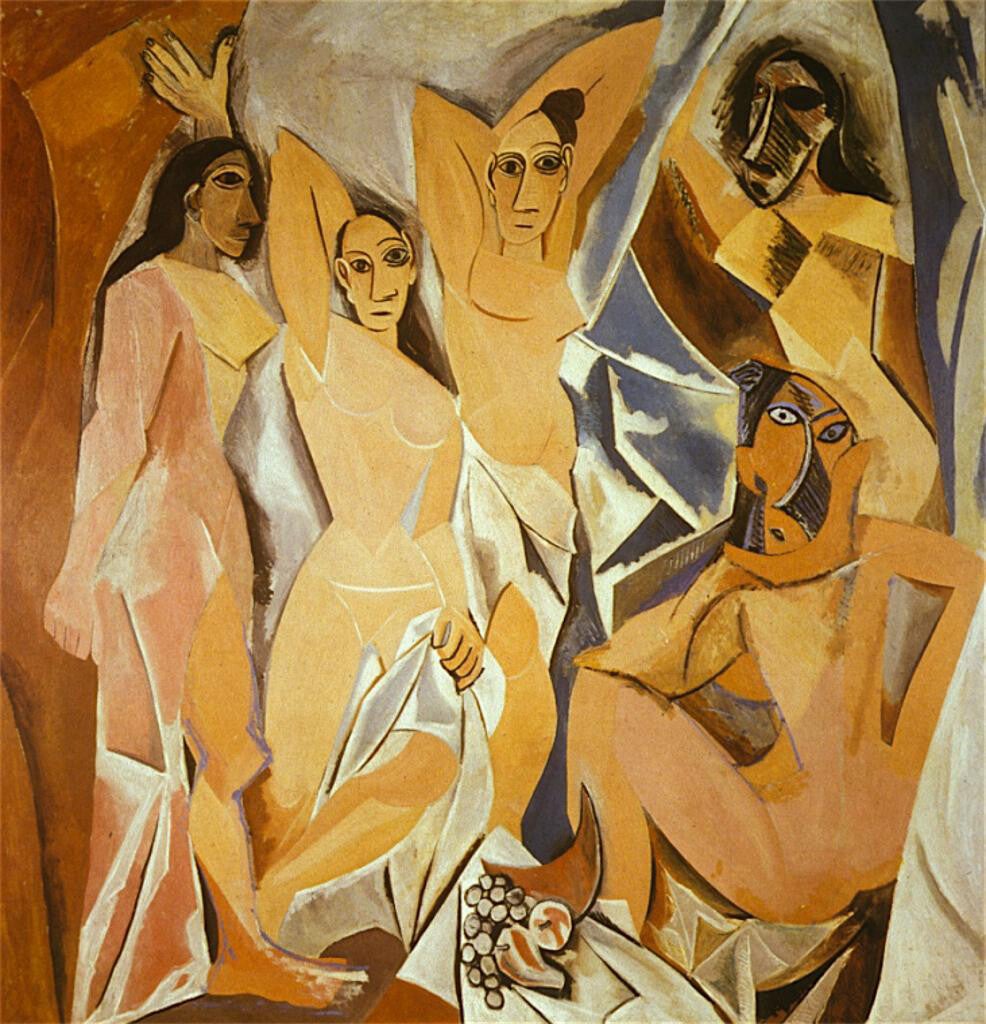
With Les Demoiselles d’Avignon, Picasso broke dramatically with Renaissance naturalism. Bodies fractured into angular forms, conventional perspective collapsed, and the familiar relationship between viewer and subject was disrupted. The painting opened a path toward a radically different visual language.
“Therefore let us go to him outside the camp and bear the reproach he endured.” —Hebrews 13:13
Picasso initially kept Les Demoiselles d’Avignon largely out of public view, while its radical imagery unsettled many who encountered it. Yet the ideas the painting embodied became central to the artistic experiments that followed.