Design Fiction
The Making of a Destiny
SEN Architecture
Niche Construction 2
Placing social factors at the center of social-ecological processes and treating them as key forces rather than external influences, the socio-ecological imagination explores how our actions ripple through the earth's living systems and delves into the dynamic relationships between humans, nonhumans, and ecosystems, revealing how each shapes the other as both social and biological forces.
Spatial design is no longer arbitrary or tied to a singular vision, and opens new possibilities for reimagining environmental landscapes and architecture as Bionomic symbols. In other words, designs that symbolize a landscape as a living organism. A living thing, full of life, that is more than just scenery.
Recently, I had this experience while swimming in the ocean in Hawaii. The morning sun streams through the water, giving my skin a warm reddish-brown glow. The fish are jumping out of the water as they feed. Suddenly, I have the sensation that I’m not in water but in an entity that is a living thing. It’s like I am a cell in a larger, living body.
It was a large, interconnected system where plants, animals, and people all live together. A terrain that brings life together into one whole, and none of its parts exists by itself.
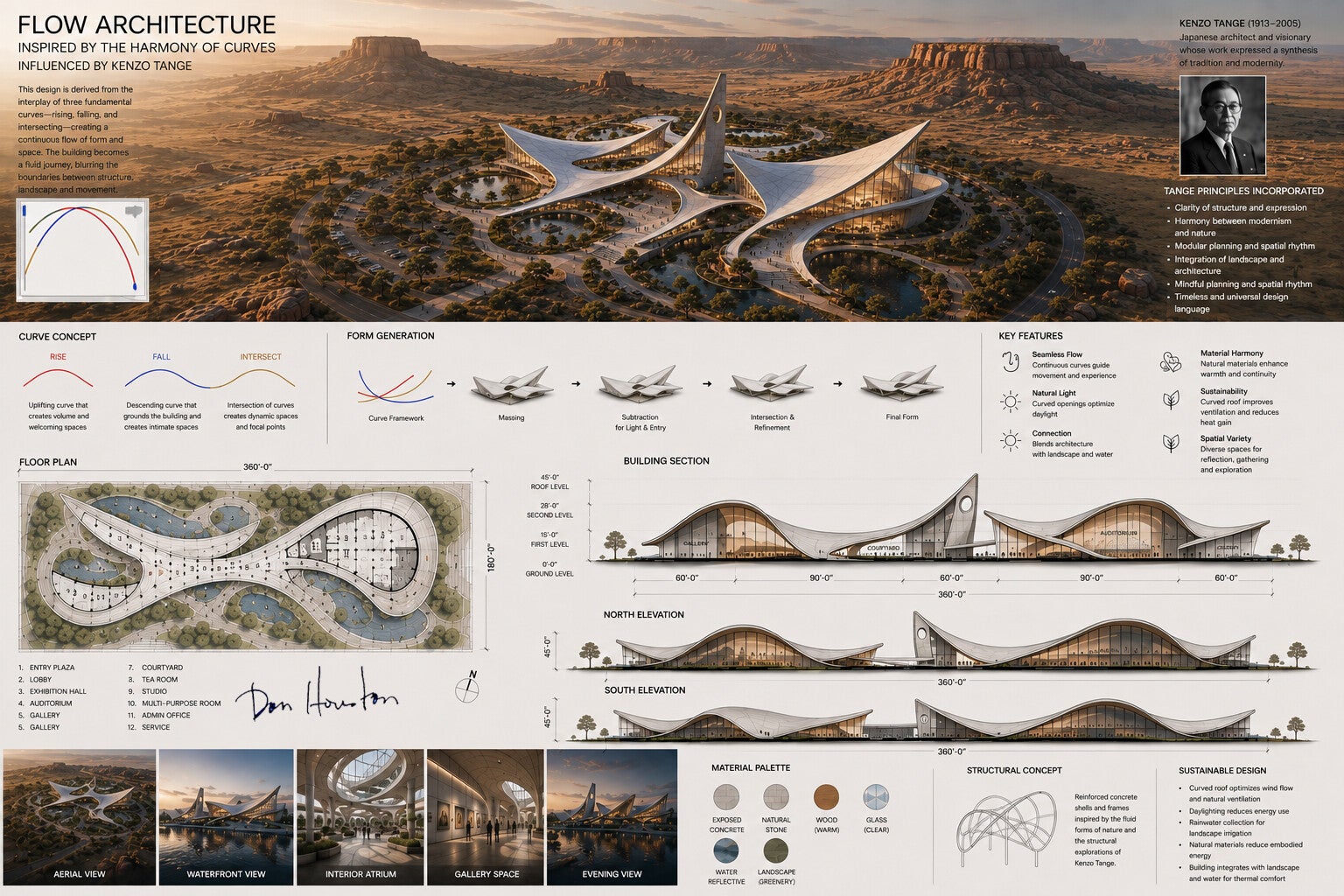
The building form came from environmental data.
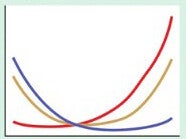
Population/Size
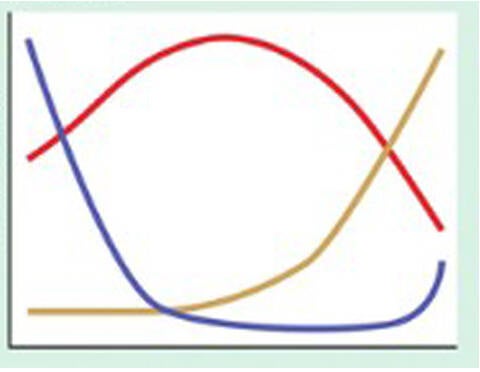
Range/Area
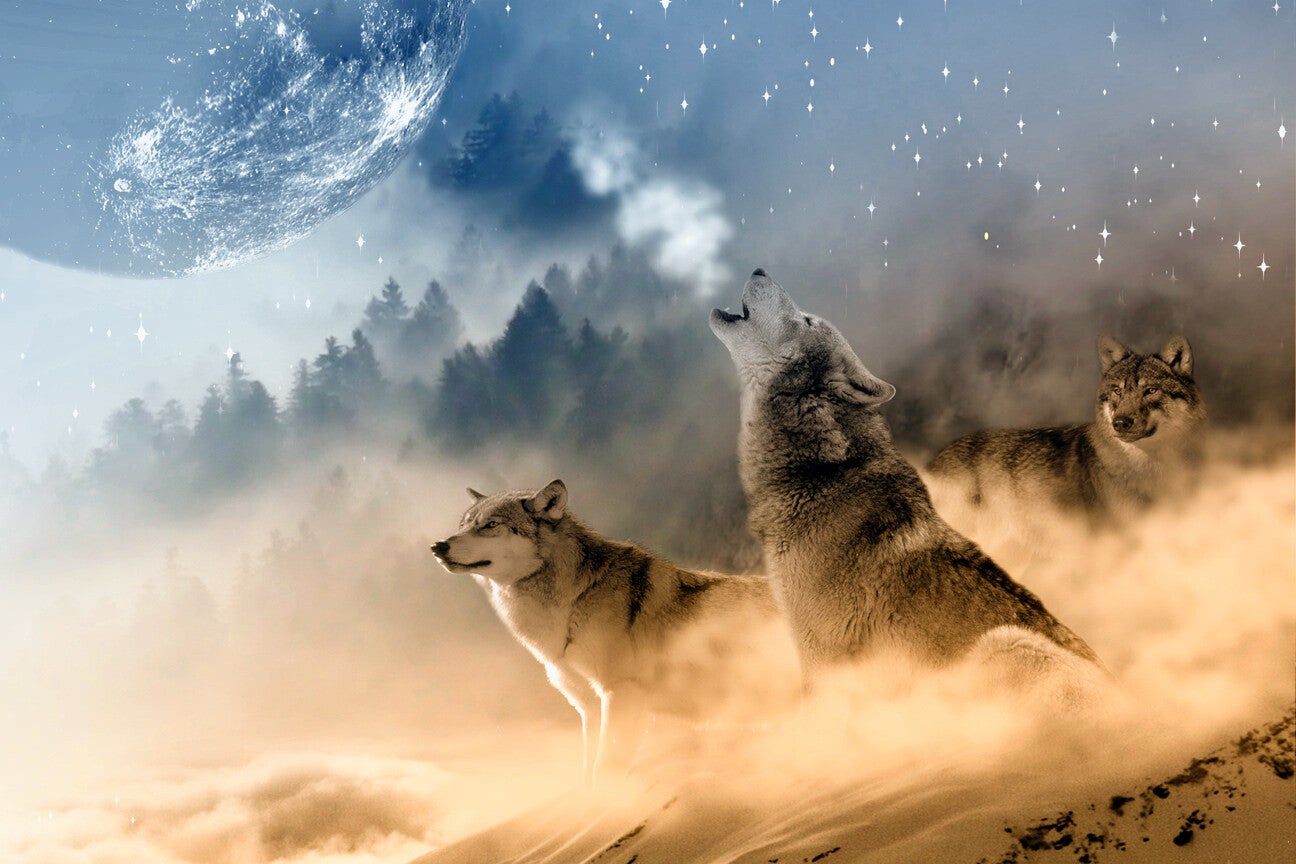
The imagery exposed itself afterwards. Howling with wolves
Instead of starting with a fixed shape and adding human-focused uses, it uses an interdisciplinary approach that maps many interacting factors, such as water, plants, climate, cultural knowledge, research, education, and time. Plus how people and animals move.
When these forces are in conflict, SEN construction would lift, separate, narrow, redirect, or allow movement through. When they work together, it would expand, overlap, bring things together, or create spaces for sharing.
SEN constructions would then act like the organisms described in niche-construction theory. They don't just react to their environment; they change it, which changes behavior and leads to new responses. So instead of: Environment → Building. The design process becomes: Environment → Building → Changed Environment → Changed Behavior → Ecological Response → Building.

Population/Size

Diversity/Habitat