Quantum physics reveals the intricate complexity of reality, offering multiple interpretations of Flow. The concept of Flow is used across diverse fields such as science, technology, psychology, and business.
Flow also appears in organizations, computing, programming languages, the arts, entertainment, and media. Notably, the halo effect often overlooks Flow’s core principle: harmonize with the natural order.
There is a reason for this. Even though cultural hegemony is powerful in shaping culture, it has a fundamental weakness. The story of Flow and architecture shared here shows one way to expose and exploit this weakness — "Ovum decernat," "Let the egg decide."
I begin with Zaha Hadid and Felix Candela, who exemplify how Flow can trigger the Aha effect in architecture. Both architects investigate the dynamic interplay of movement through space and time, embedding Flow within their innovative designs.
Both architects engaged with European cultural currents in architecture, and both endured the trauma of war, which compelled them to leave their homelands. After years immersed in abstract and fragmented styles, Hadid achieved a pivotal breakthrough by returning to her roots. She employed parametric design and drew inspiration from the structure of Arabic script to formulate algorithmic rules that generated her distinctive Flow forms, uniting science, technology, and design.
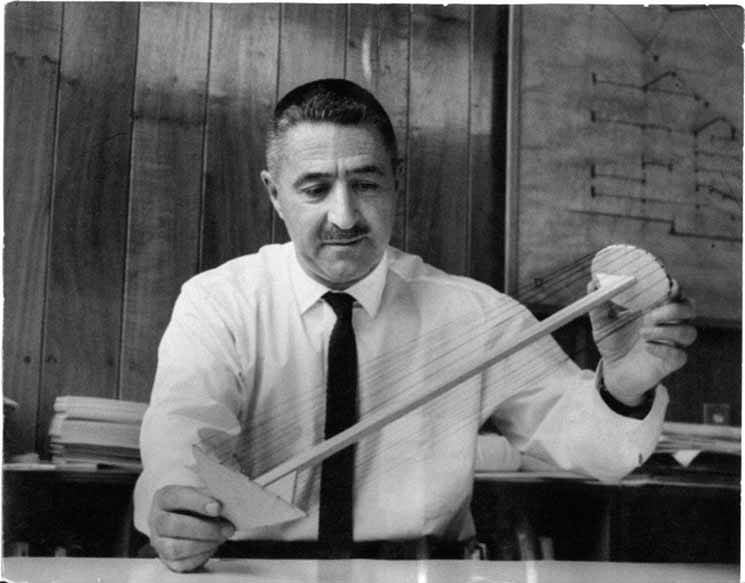
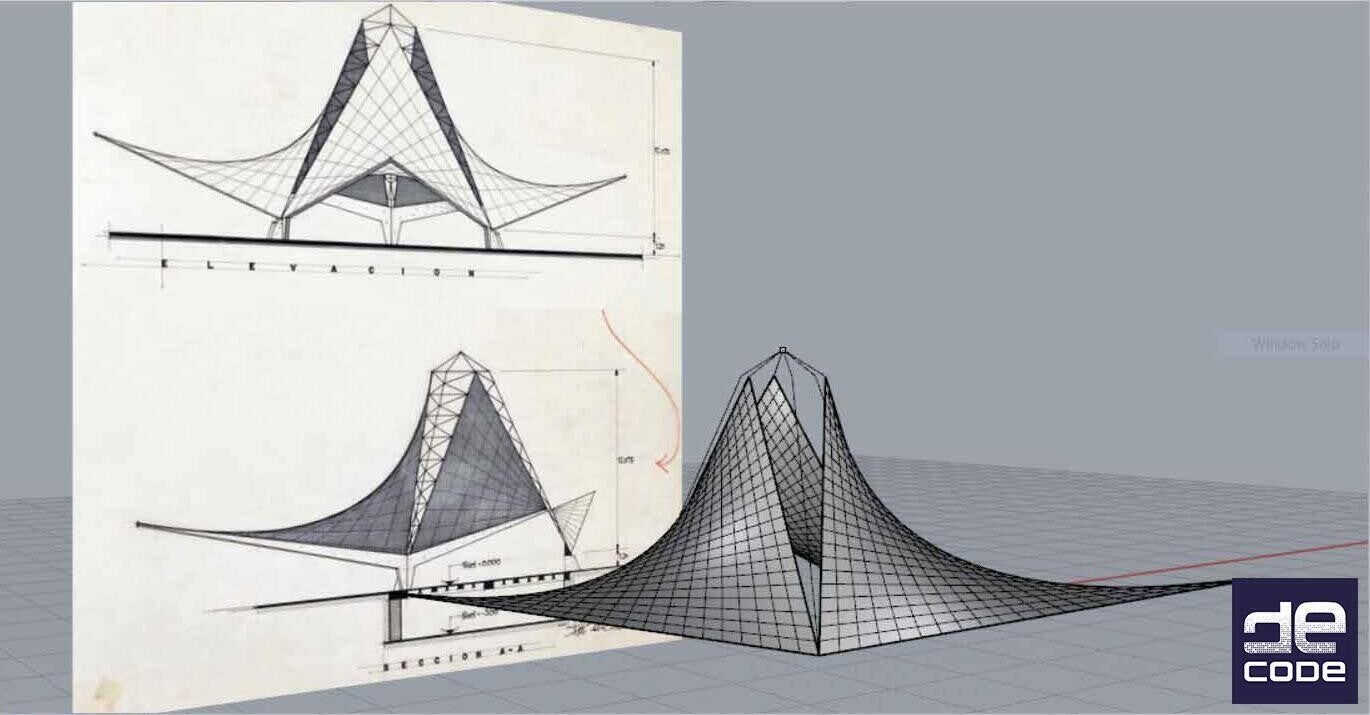
In contrast to Hadid’s engagement with European theories, Candela drew inspiration from his Catalan architectural lineage. Candela is renowned for his commitment to integrating thin-shell structures with the concept of Flow.
He aspired to synthesize advanced science and technology, social progress, and spirituality within a modern framework. Although this ambition mirrors that of Gabo and his brother, Candela’s tradition boasts a much deeper historical foundation.
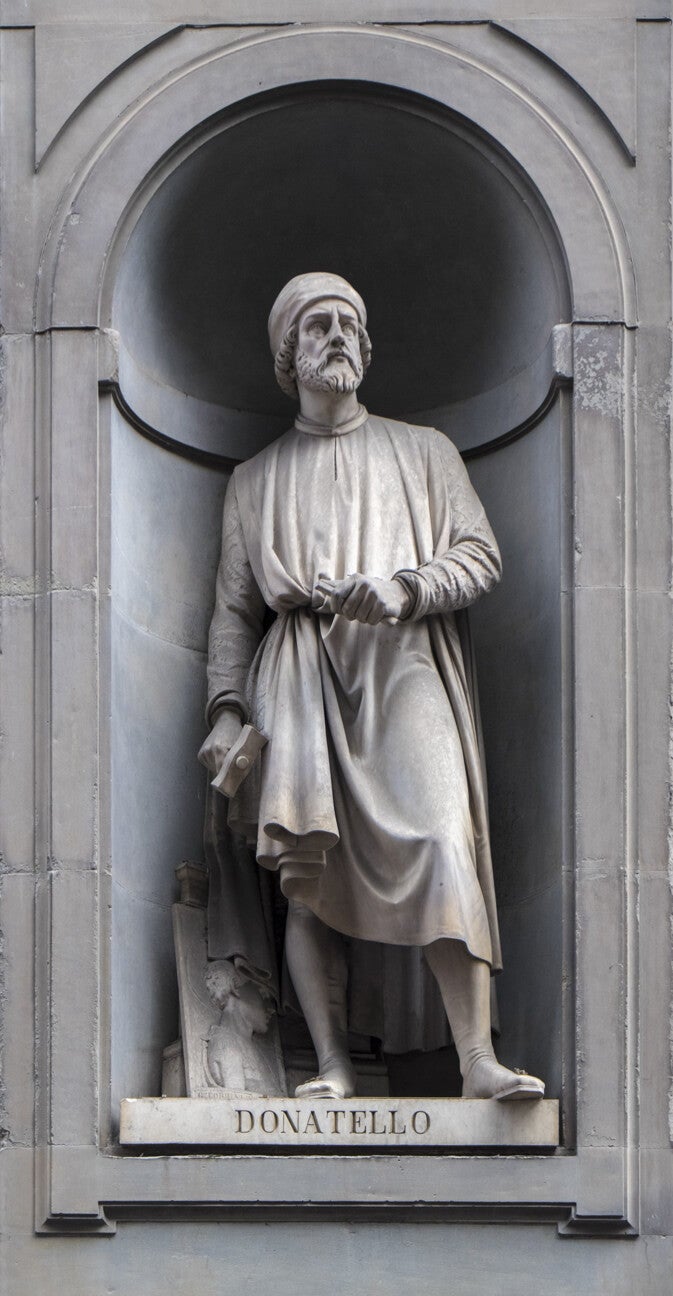
Candela’s architectural heritage traces back to Filippo Brunelleschi’s famed egg analogy and the resultant Aha effect. Although Brunelleschi’s accomplishments are well documented, the tale of his trip to Rome with Donatello — where they allegedly discovered the dome’s design — is fabricated. It is more likely that consultation with potters' guildsmen inspired the adoption of biomimicry.
Consequently, a shell, an inverted catenary curve, was the ideal form to emulate.