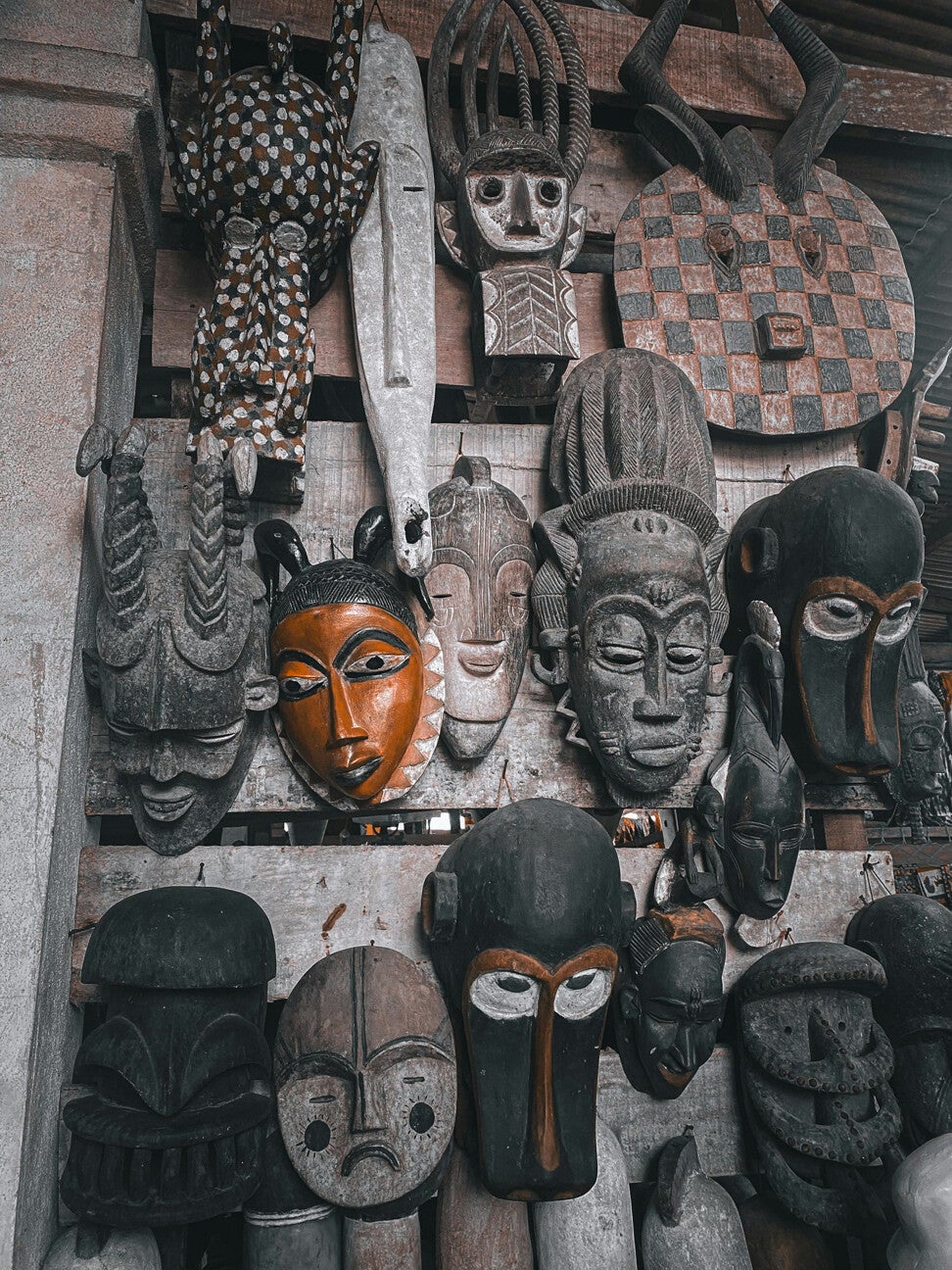
Picasso’s encounter with African masks might be imagined as a revelation—almost a transmission of knowledge across time from African ancestors. Yet the museum setting, lit by daylight, suggests a more complex origin of his perceptual experience: the fleeting shadow.
Note: the statement that Picasso went to Africa is incorrect and has been removed.
A shadow passes across the masks. It appears, stretches, overlaps another form, fragments, and disappears. It possesses no permanent shape of its own, yet it can completely alter the perception of the objects on the walls.
Seeing Double The Science Behind Gestalt Images That Change Before Your Eyes Pdf
As Picasso moved through the space, the shadows would have shifted with him given the time of day. Forms emerged from darkness and then receded. Details initially absorbed into the background could suddenly become dominant. What appeared as a figure in one moment could become ground in the next.
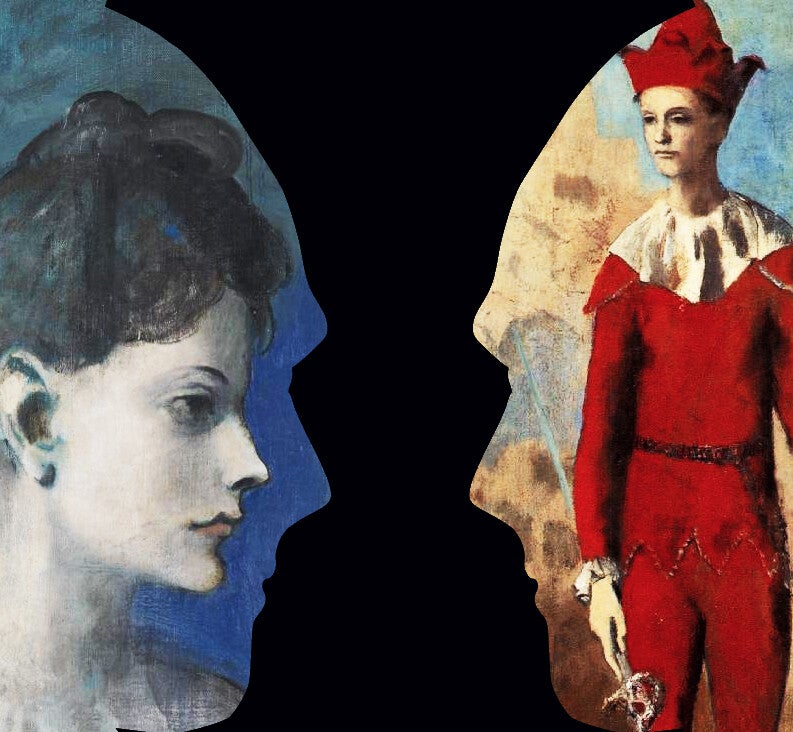
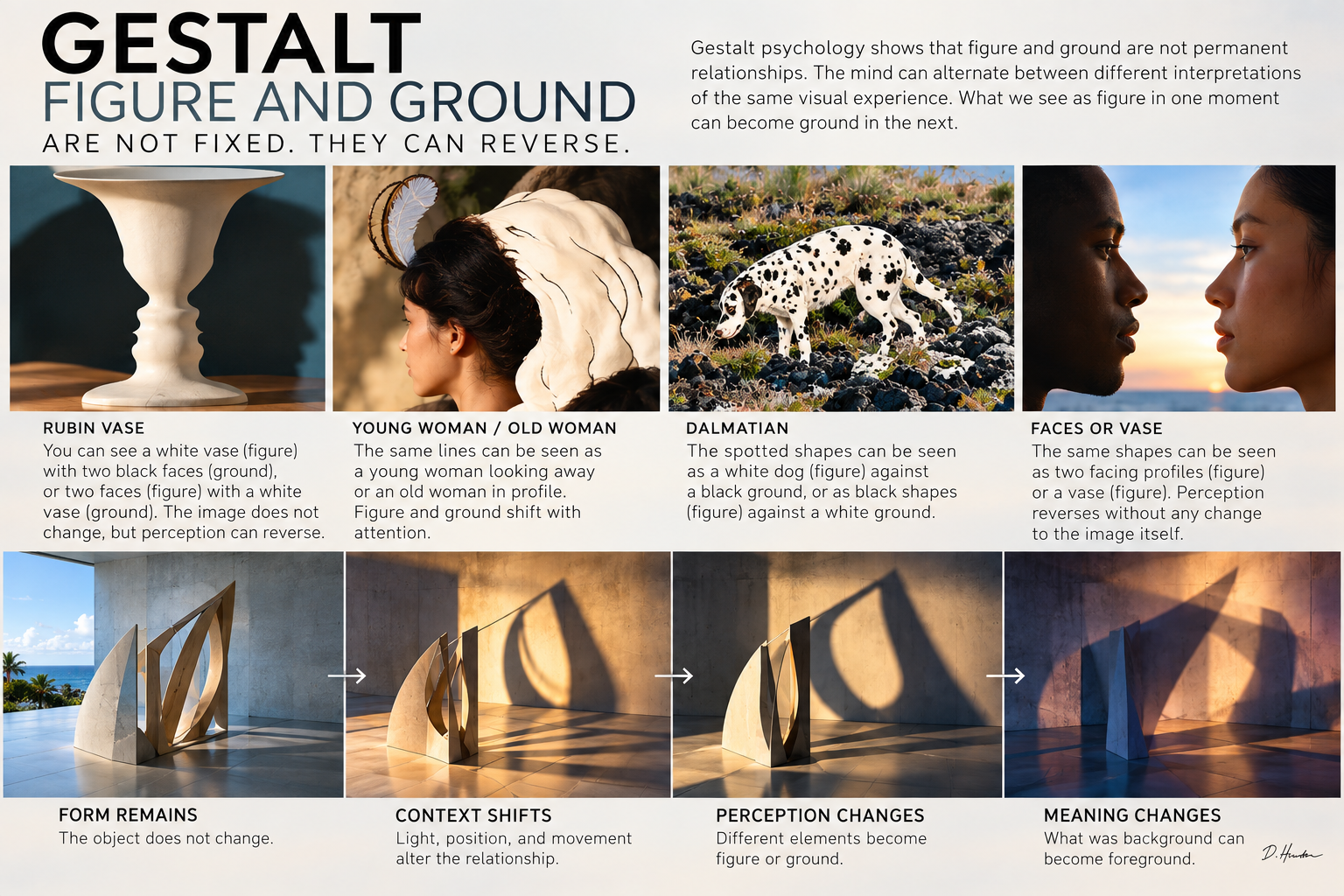
The masks therefore existed in an environment where objects, light, shadow, movement, and perception continually interacted. This instability offered a way of grasping multistable perception — the mind’s ability to move between different interpretations of the same visual experience.
Gestalt psychology shows that figure and ground are not necessarily fixed. They can reverse, altering one's worldview.
Background can become foreground. The marginal can become central. The overlooked can become visible. The familiar can suddenly become strange. The object has not necessarily changed.
The way of seeing it has.
What had previously existed outside the dominant framework suddenly became visible as a source of creative possibility.
This exposes what I see as an Achilles heel of cultural hegemony: creative insight, the Aha Moment.