Gene-Culture Coevolution
The Making of a People
Human Inclusive Fitness


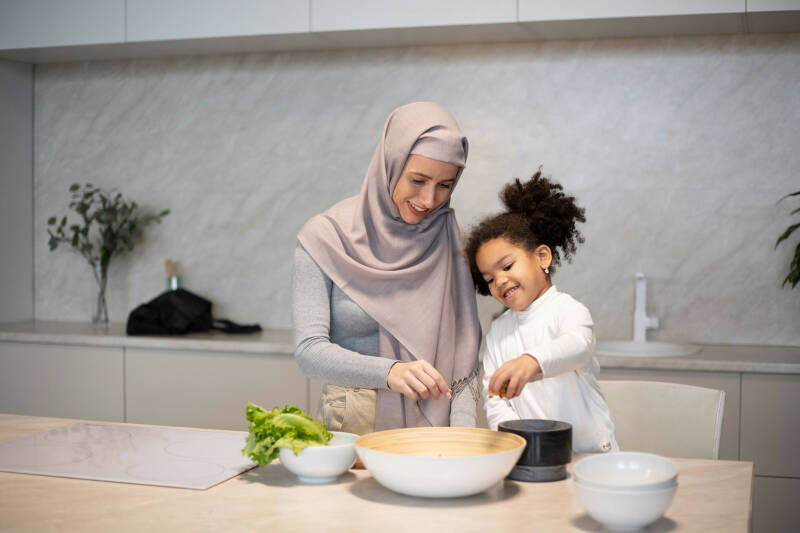
Unlike buildings, environments and social programs that can be assessed with evaluations, the metric for assessing the success of a home as a gene-culture coevolution habitat is human inclusive fitness, the number of children that an individual rears or supports regardless of whether a blood relationship exists.
From the common gene-evolution perspective, success is measured as personal fitness, the number of children one can produce during the child productive years.
Whereas, inclusive fitness supports altruistic values like unconditional emotional attachment and an intrinsic need to nurture and socially cooperate.
Homes as niche constructions in this regard are where caregivers with or without blood affiliation embrace the task of childrearing.
Sharing the parenting role offers multiple sources of attachment, and in this manner mirrors age-old parenting techniques of hunter-gatherers of the past while simultaneously projecting the social reciprocity model into the future.

With inclusive fitness functioning within the home, its context bias suggests that cooperative altruistic behavior is normal, and the implied content bias recommends adopting it.