The Achilles Heel of Cultural Hegemony
Multistable Perception
Picasso’s encounter with the masks might be imagined as a revelation — a divine transmission of truth from the spirits of long-past African ancestors. Yet, the musty, neglected room paints a different picture, grounding the experience in the tangible and imperfect present.
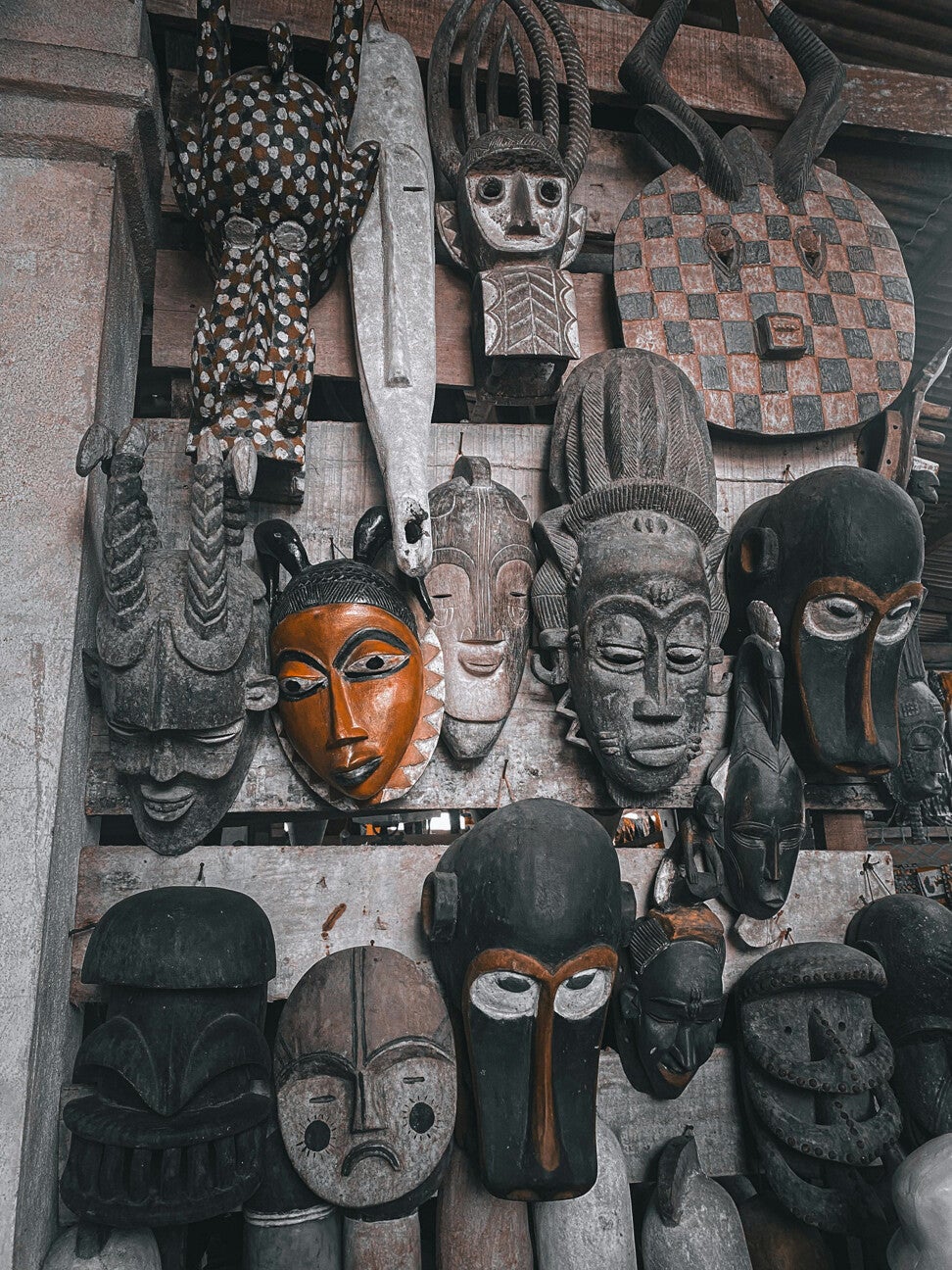

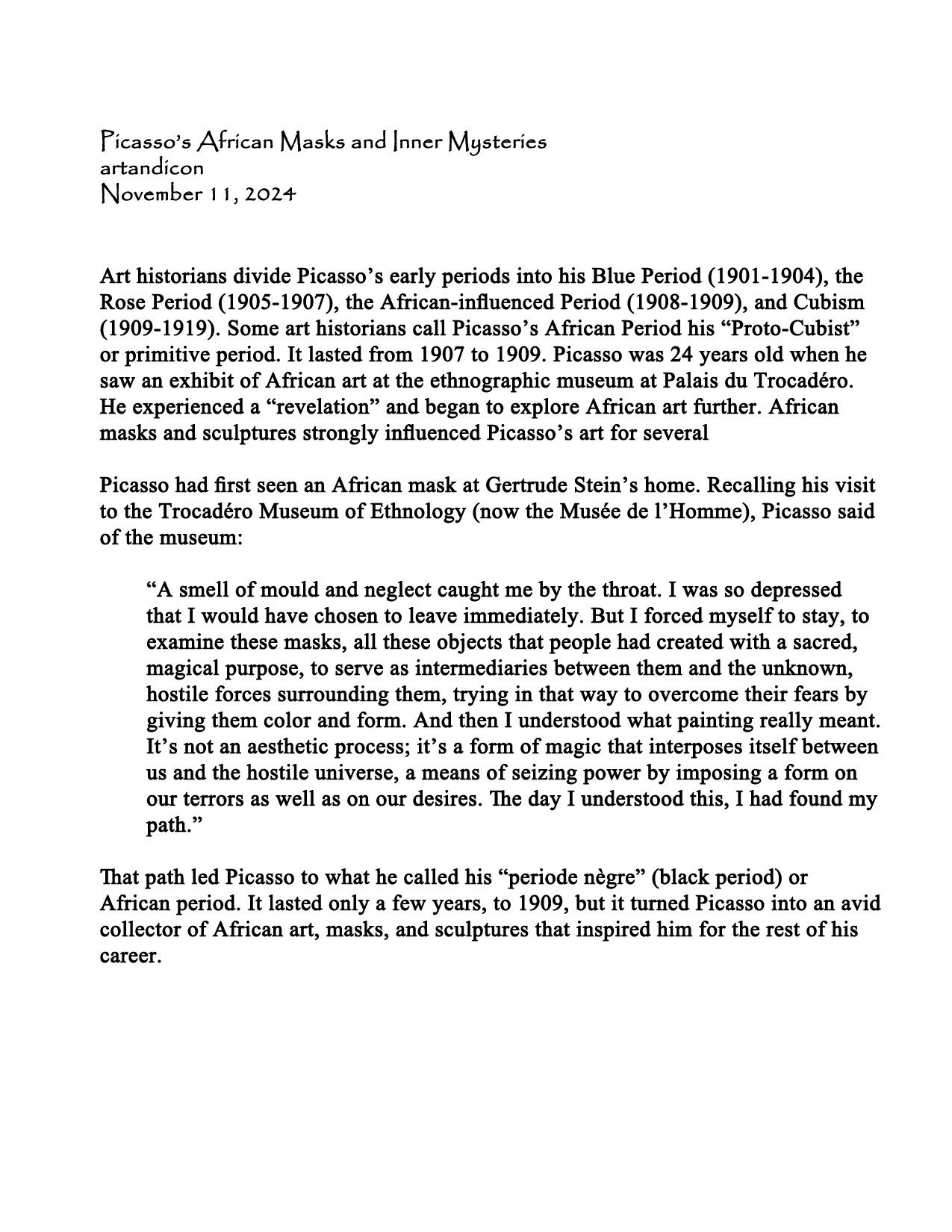
The room was likely shrouded in dimness, with just enough light to reveal the masks but not enough to dispel the dampness. In this atmosphere, Picasso’s insight was shaped by the play of shifting shadows as he moved, prompting new ways of seeing.
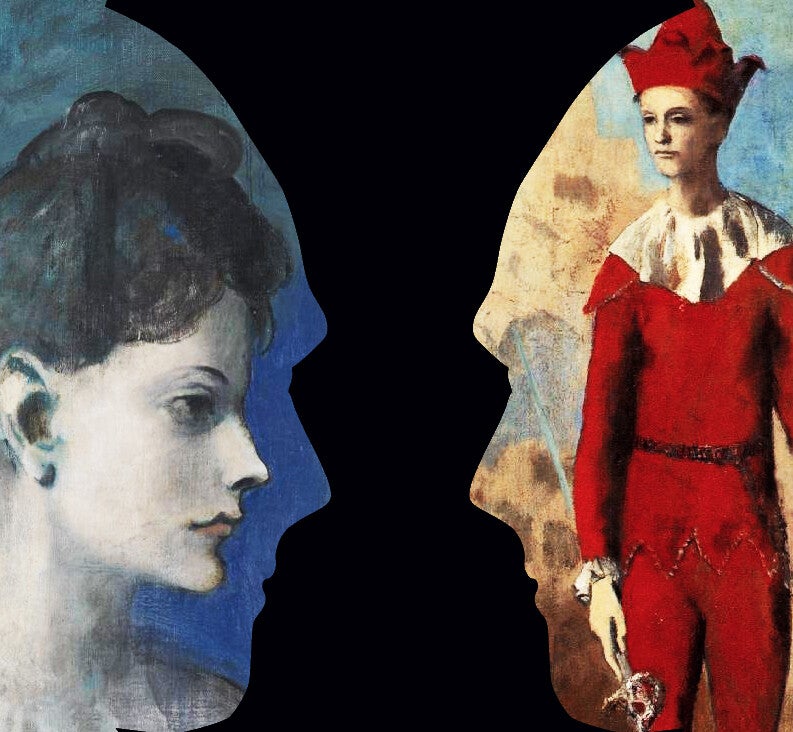

These ever-shifting conditions — shadows emerging, dissolving, and fleeting — enabled multistable perception. The ambiguity between foreground and background fostered a perceptual space where multiple interpretations could coexist and alternate, enriching Picasso’s experience.
This epiphany shifted his worldview, destabilizing entrenched cultural dominance. Picasso’s moment of realization exposed the Achilles heel of cultural hegemony: its vulnerability to creative insight.
Transitioning from Reproductive thinking — solving problems by repeating past solutions — to Productive thinking — generating breakthrough ideas through sudden insight — Picasso transcended the boundaries imposed by cultural hegemony and unlocked new creative possibilities.
He thought outside the cave and escaped.
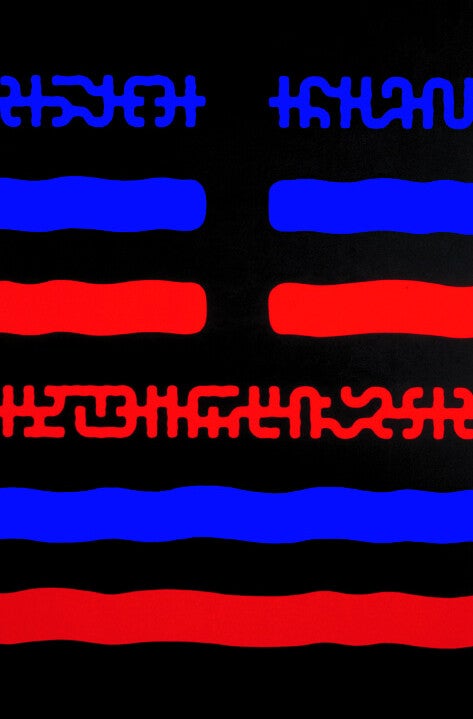
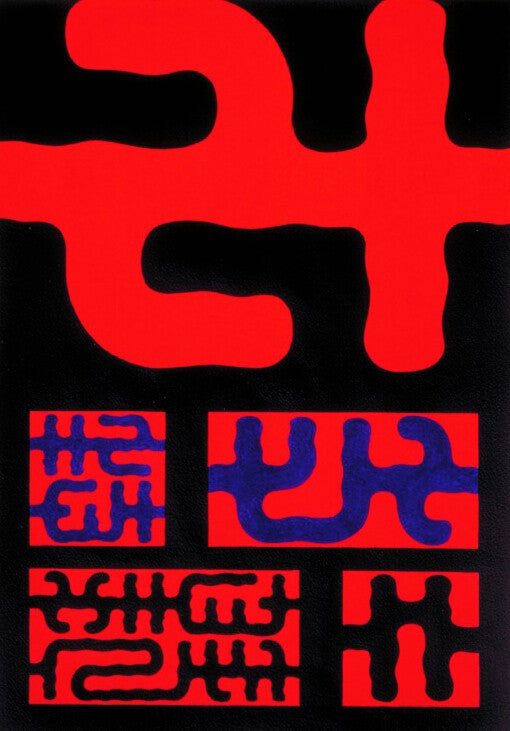
1970s


