When I began to observe my own thoughts, feelings, and beliefs more closely, I realized how profoundly they shaped my perception of the world. This awareness revealed a gap between my inner experiences and the external reality around me.
To bridge this difference, I relied on imagery drawn from my imagination and memories as my guide. This inner guidance empowered me to make choices independently, rather than seeking approval from others. For instance, while it is commonly believed that writing originated independently across different cultures, I intuitively sensed a deeper connection, even if I couldn't fully articulate it.
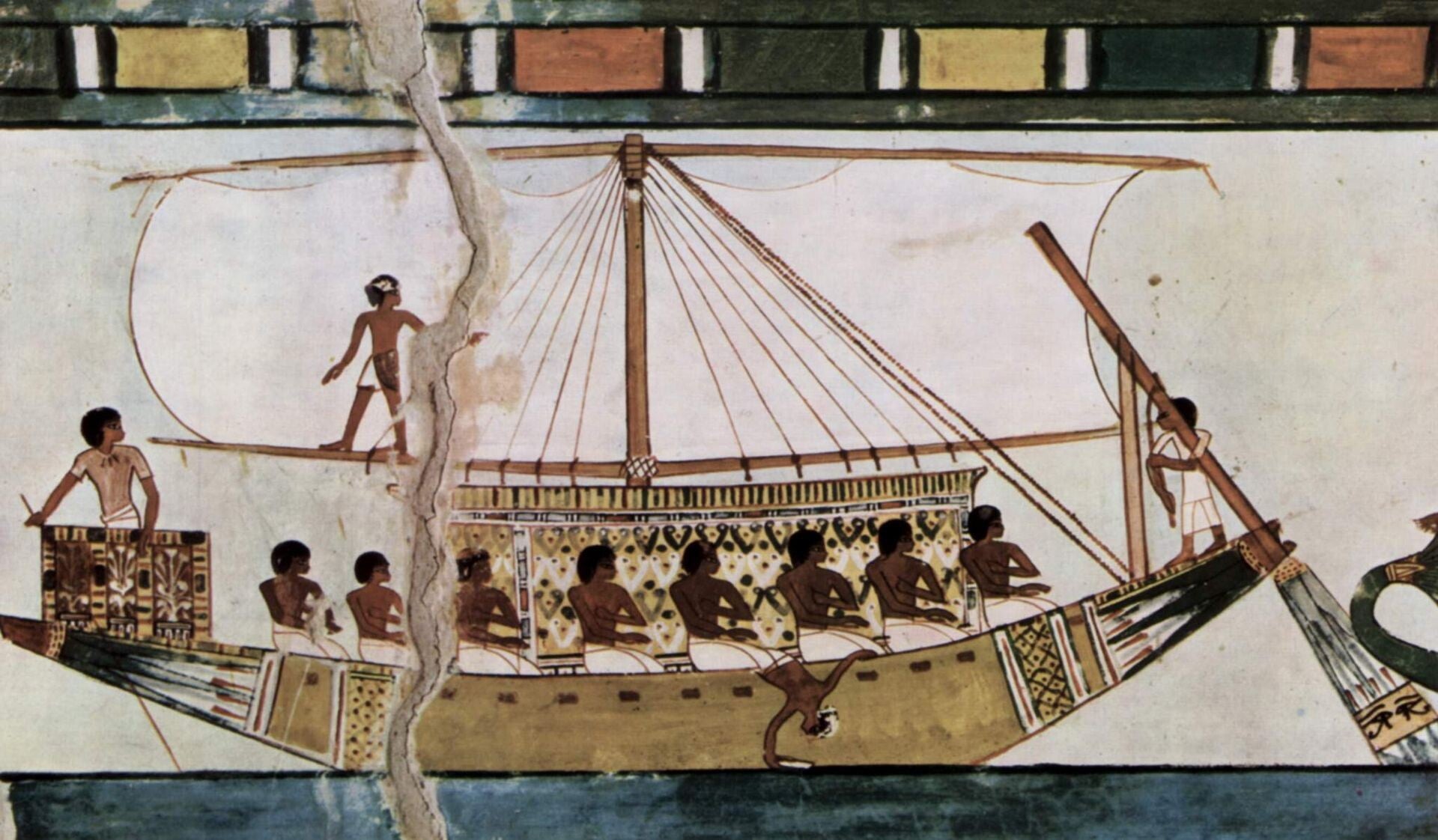
The history of writing begins not just with symbols, but also with the materials that bore them. The ancient Black Egyptians, skilled navigators of rivers and seas, likely crafted sailcloth and ‘paper’ from reeds, rushes, and hemp growing along the banks of Kemet. Their development of the Hieratic script — remarkably similar to Chinese “grass writing”— played a pivotal role in spreading written language across the world.
A similar thread weaves through the story of ink, inviting me to trace its transformation from raw materials into a powerful means of expression.
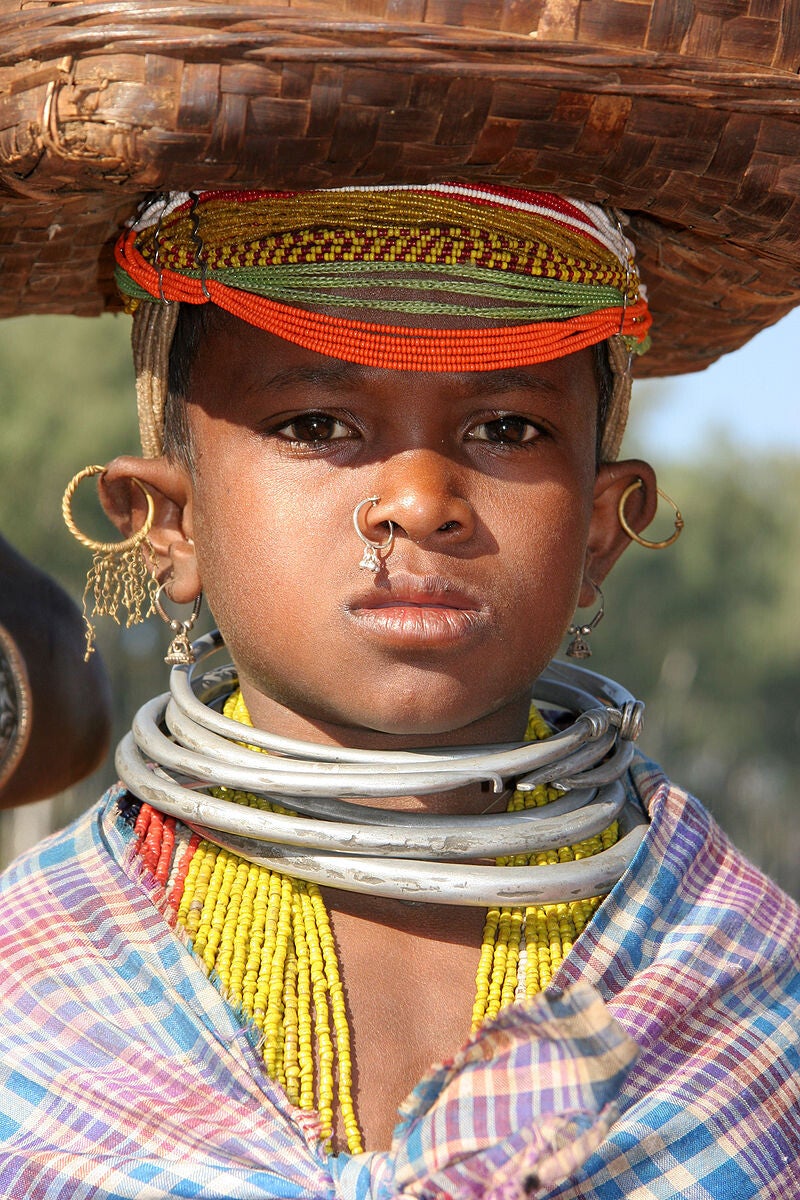
Few people realize that India is home to the largest population of African descent outside Africa. Tribes such as the Bonda can trace their lineage back to the era of the Old Kingdom Black Pharaohs. This ancient connection is frequently overlooked, and as a result, the story of how ink technology traveled from Africa to China is often ignored.
Here is what I discovered about writing — a reflection of my inner awareness.