Piercing Cultural Hegemony
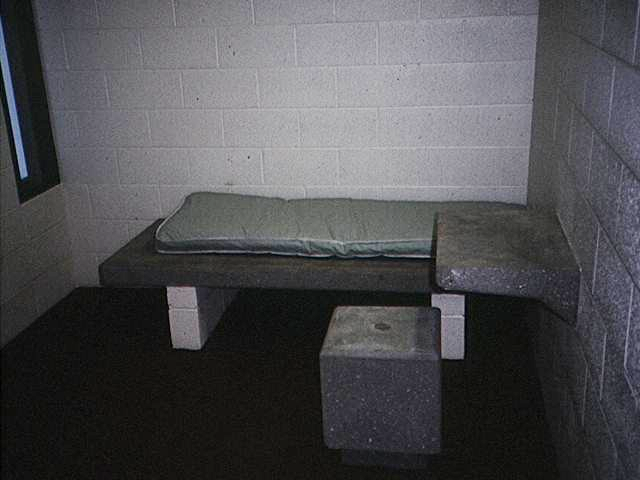
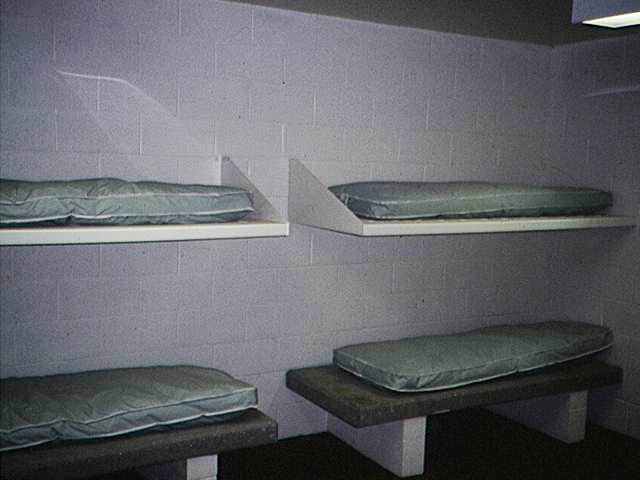
I looked around at the detention center with different eyes. Rationally, I knew there was little danger. I had not checked out, and eventually the superintendent would realize I was missing and come looking for me. But something else was happening. The locked door had carried me backward in time.
I was once again the elementary-school child standing inside a jail cell during a field trip to the Dogpatch police station on Third Street in San Francisco. I remembered the heavy door closing behind me and the sudden realization that someone else controlled whether I could leave.
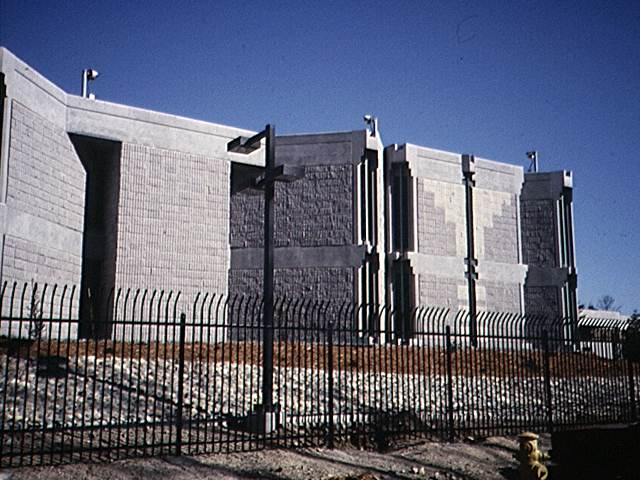
Years later, I was experiencing that sensation again — this time inside a detention center I had helped bring into existence. When the superintendent finally found me and opened the pod door, the childhood feeling returned. It lasted only a moment, but it was unmistakable.
I cannot know precisely what the intention of that childhood field trip had been. Looking back, I suspect that part of it may have been what people once called an attempt to “scare us straight.” I cannot say what the experience did for the other children. I know what it did for me. It gave me an enduring appreciation for freedom.
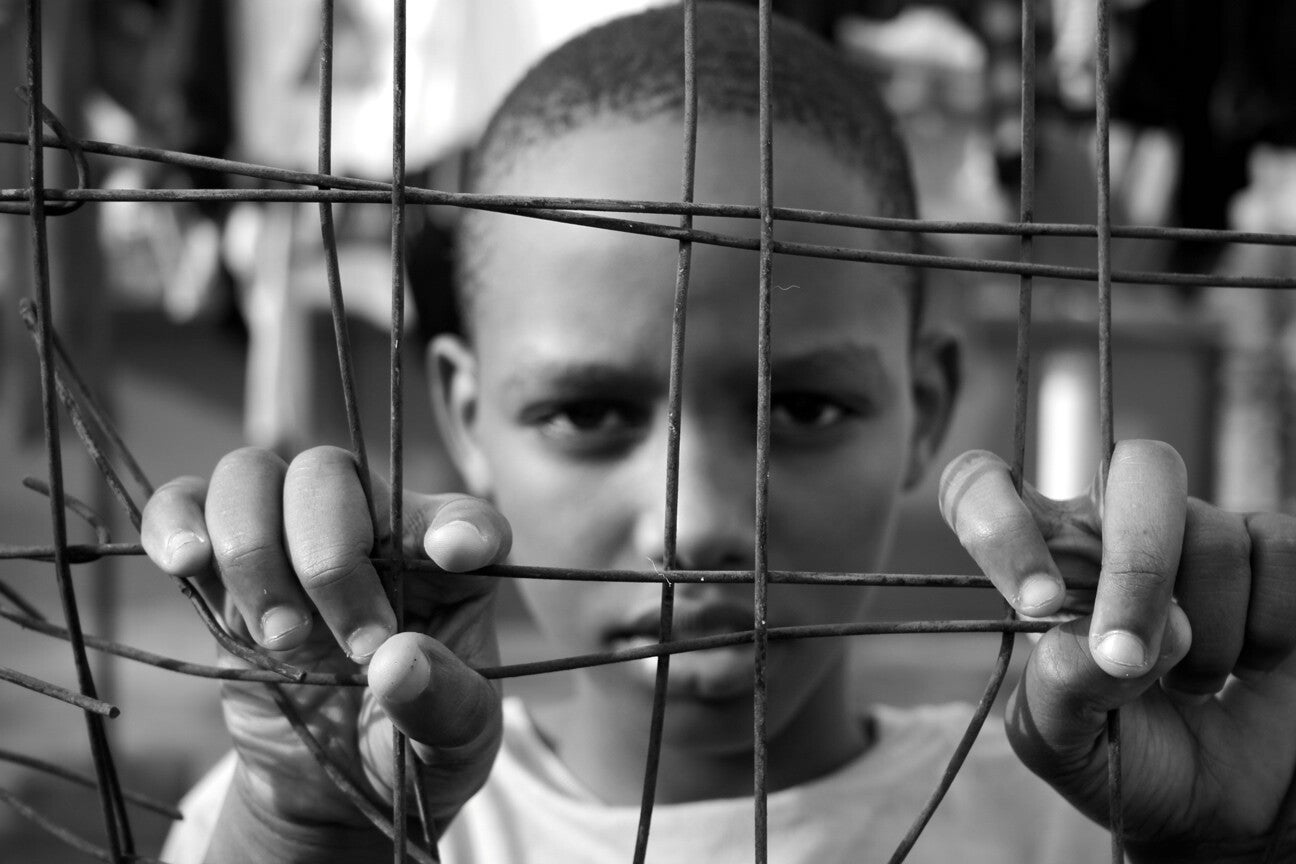
And decades later, standing inside that detention center as the locked door opened, the meaning became clearer: freedom was not merely something outside the cell. It was also something I had to discover within myself.
The cave, the cell, and the chains had become one continuous metaphor.
And for the first time, I understood that the door could open in both directions.