The Achilles Heel of Cultural Hegemony
Potters Guild
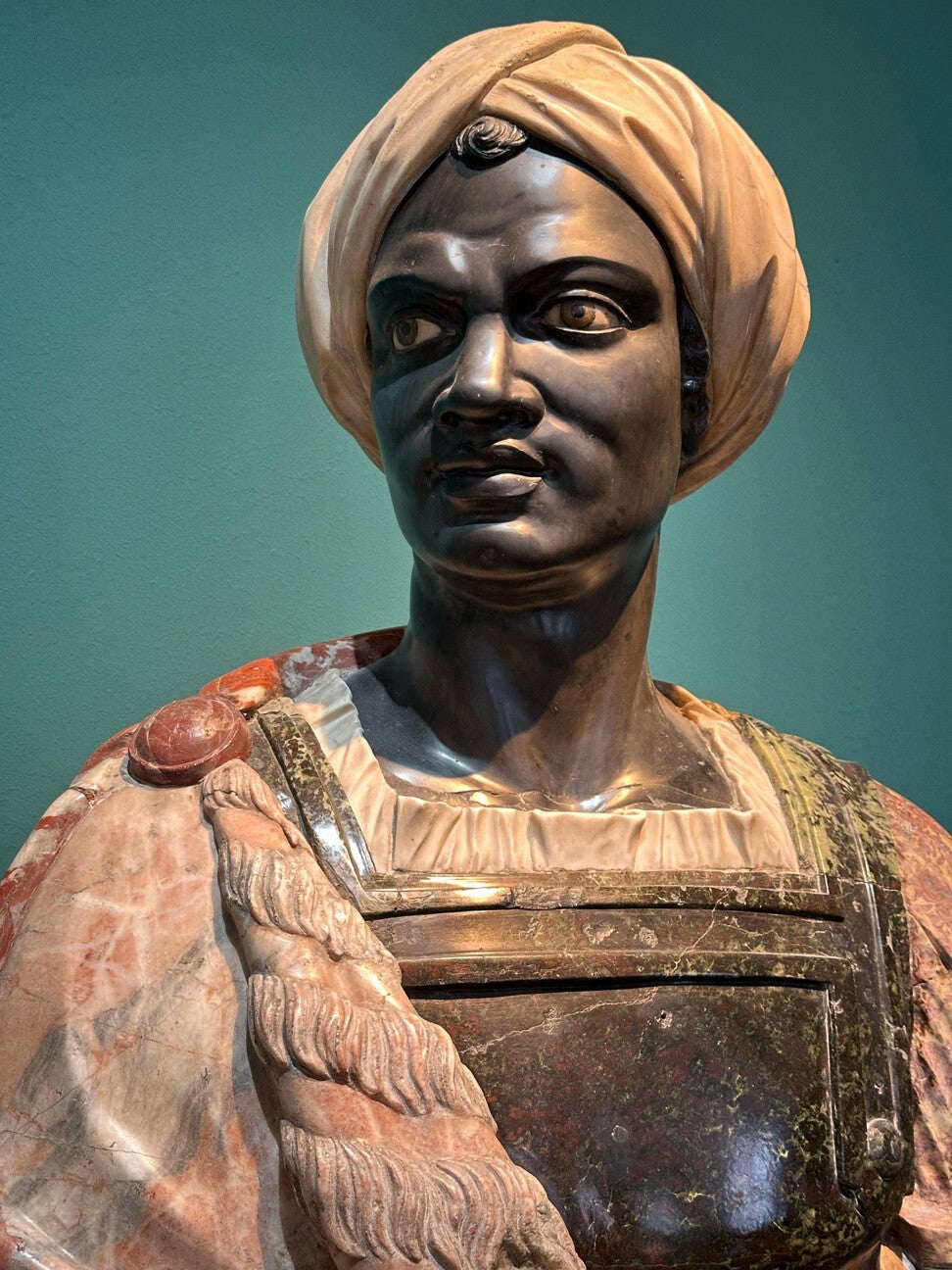
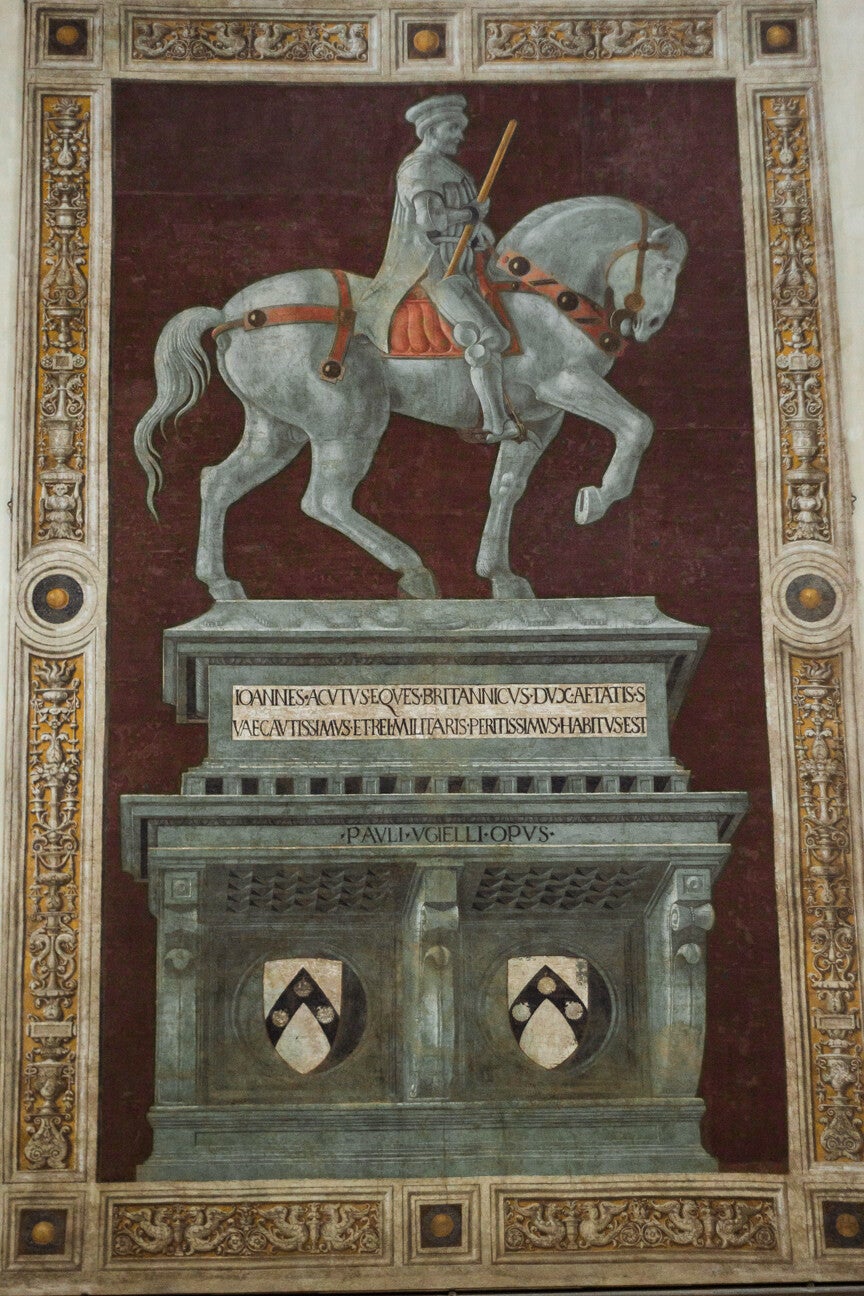
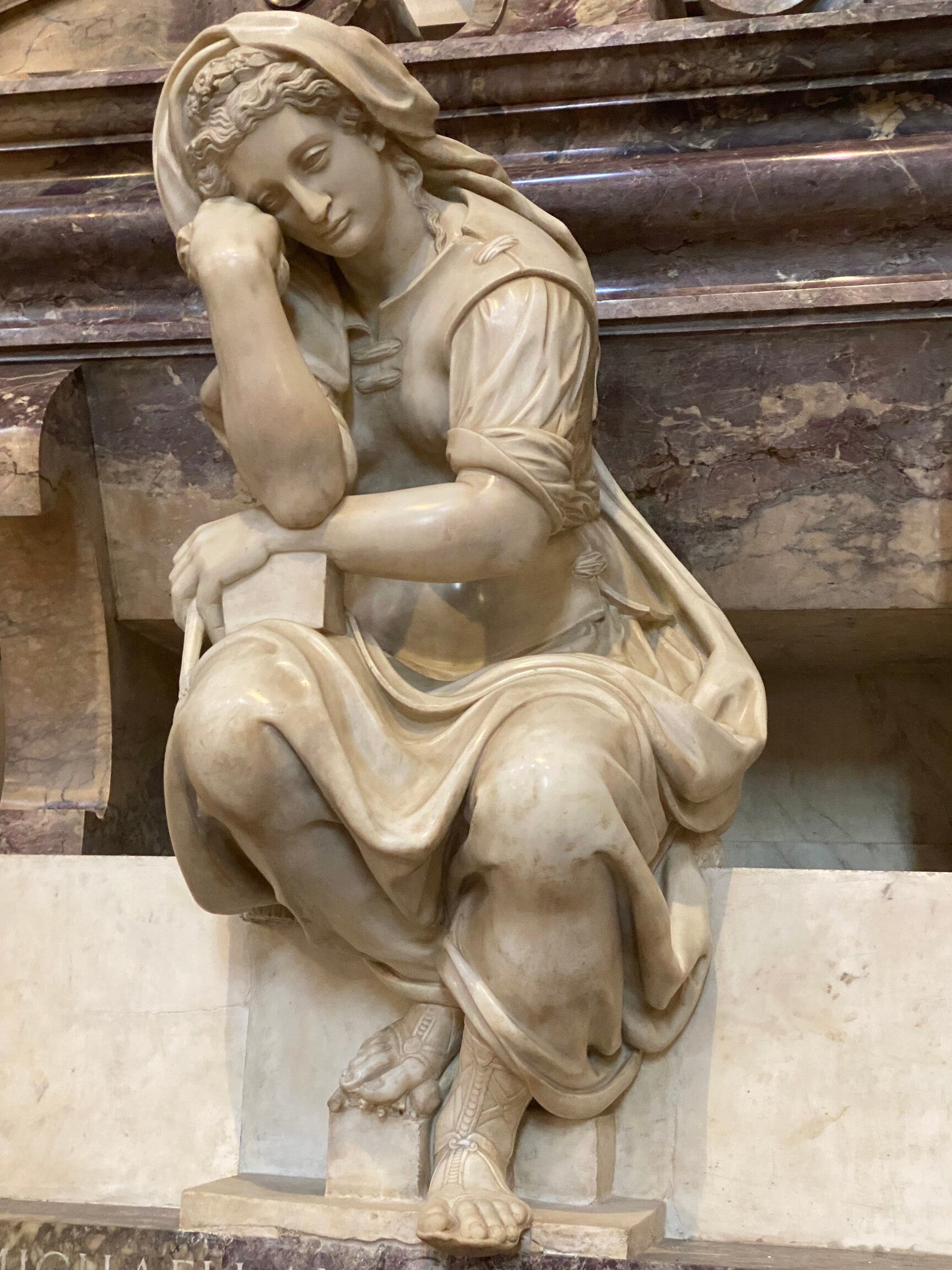
The secret of the shell probably came from Spain and influenced the Renaissance after the Moors were defeated. The Medici family likely received this secret as a reward for supporting the Potters Guild, which had close ties to sculptors, during the revival of Humanism.

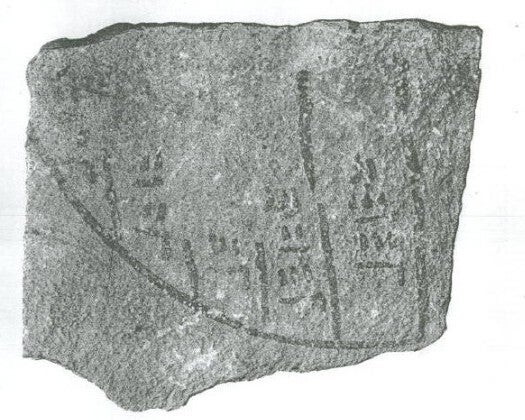
The catenary curve on pottery chard (2650 BC) was excavated in or near 1925 in Djoser's Pyramid in Saqqara, Egypt.
Dating back to the age of the Black Pharaohs, the Masonic Order had a keen interest in harnessing natural lines of force. Through experimentation, they discovered that constructions following the path of least resistance yielded remarkable results with minimal resources. Even in times of scarcity, the shell concept guided innovative uses of available materials, inspiring resourcefulness and creativity.
