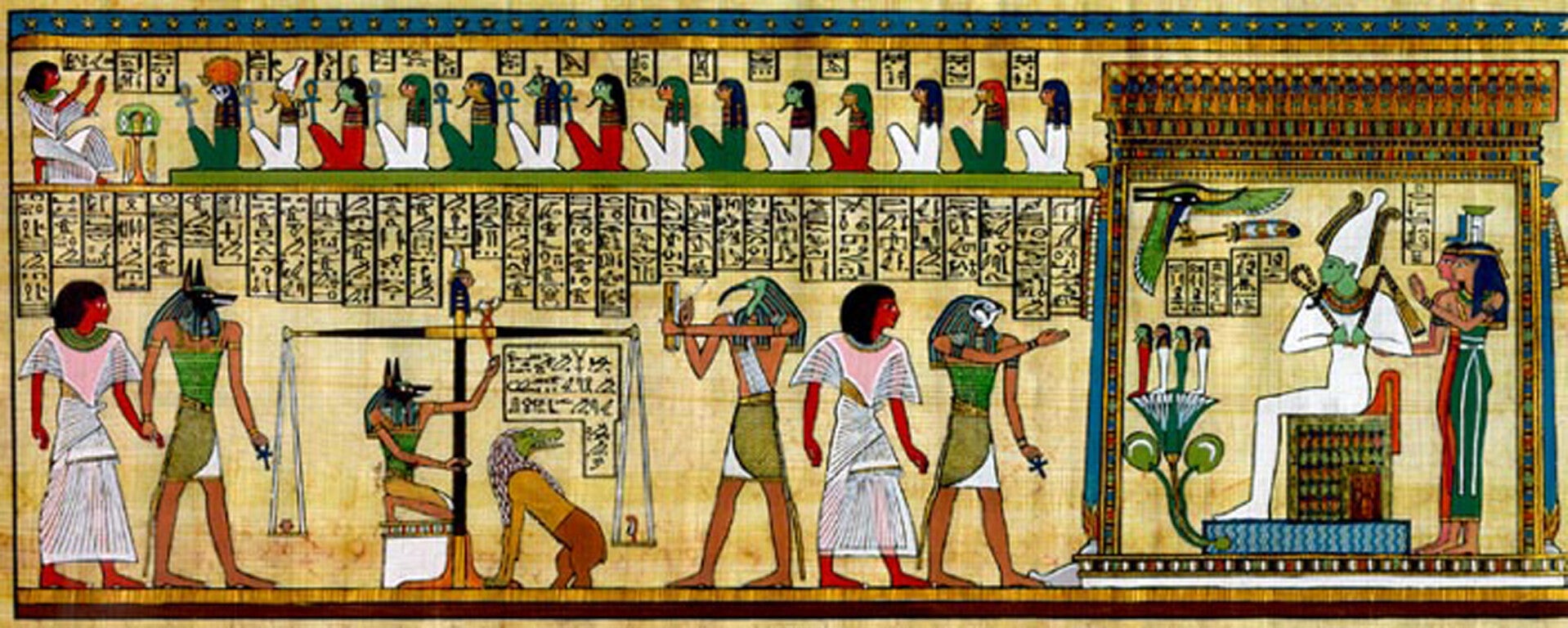
The Orphic egg was central to Orphism, a reformulation of the earlier Dionysian religion, itself a reformulation of the original life-after-death belief structure of the ancient Black African Passion of Osiris.
Orphism held that,
...soul and body are united by a contract unequally binding on either. The soul is divine but immortal and aspires to freedom, while the body holds it in fetters as a prisoner. Death dissolves that contract but only to reimprison the liberated soul after a short time, for the wheel of birth revolves inexorably. Thus, the soul continues its journey and alternates between a separate unrestrained existence and a fresh reincarnation around the wide circle of necessity, as the companion of many bodies of men and animals. To those unfortunate prisoners, Orpheus proclaims the message of liberation, that they need the grace of redeeming gods, Dionysus in particular, and calls them to turn to the gods by ascetic piety and self-purification: the purer their lives, the higher their next reincarnation will be, until the soul has completed the spiral ascent of destiny to live forever as a God from whom it comes.
However, changes in Greece's ethnic demographics altered the original message of the Passion. The soul does not aspire to liberation in the Passion, nor does the body hold it in chains as a captive. Neither does it call for ascetic piety. On these ritual points, the Passion held an opposite view.
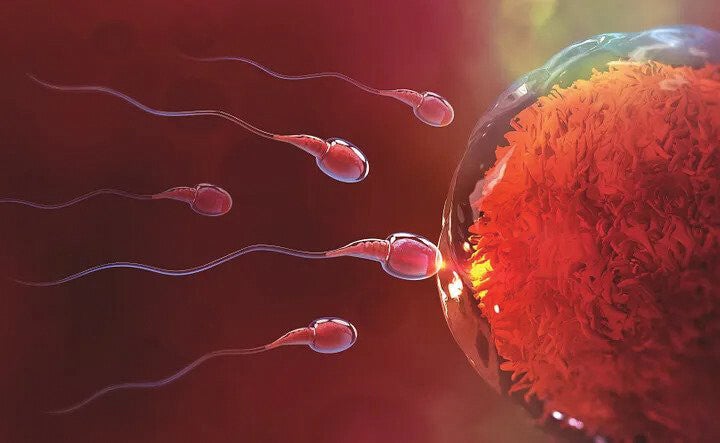
Still, the reformation of the Passion's resurrection concept into Orphic reincarnation preserved the original symbolic meaning of the egg, to foster optimism and the creation of a positive psychology toward immortality, the indestructibility of the soul, and the necessity of reincarnation. To "enter the flesh again," the egg is essential since life comes from it.